
Presentation
On September 4, 2026, Pierre-Xavier Chomiac de Sas appeared on the program Lex Inside to answer questions from Arnaud Dumourier regarding the Nice Court’s decision on August 5, 2026—the first ruling to impose a “digital ban” penalty.
This appearance follows the firm’s previous interviews covering topics such as cybersecurity, esports, and video games. You can view an overview of our past appearances on B Smart here.
PCS Avocat’s discussion focused on the specific characteristics of the video game industry—a sector frequently targeted by cyberattacks—as well as the practices that heighten these risks, the consequences for players and professionals, the legal avenues for defense, and the measures studios can take to protect themselves and combat these threats.
The Jean Pormanove Case – Influencers Sentenced to a Digital Ban
The new penalty of a digital ban was handed down during the trial of two online content creators involved in a 2025 tragedy, in which an influencer died while livestreaming on the Kick platform.
Find out more about the Nice Court’s ruling and its implications in our dedicated article.
“Digital Ban” – The SREN Act and Combating Online Offenses
Introduced by the “SREN” Act of May 21, 2024—aimed at securing and regulating the digital space—the new “digital ban” penalty aligns with the Act’s dual objective: fostering accountability among digital service providers and better regulating illegal online behavior.
This penalty allows for the suspension of access accounts for online platform services used to commit offenses, as well as a ban on creating new accounts on said platforms.
The legislation refers to online platform services that may include, first and foremost, social networks, but also content-sharing platforms such as YouTube, Twitch, or Dailymotion, as well as marketplaces and intermediation platforms whose primary activity involves posting information online or facilitating communication.
Ban on accessing online platforms – Cyberharassment and counterfeiting.
This penalty represents a genuine innovation regarding the offenses to which it is now linked, although the extensive list of such offenses raises questions about the advisability of making it a penalty of general application.
However, this penalty echoes a similar provision in the Intellectual Property Code, which stipulates that “when the offense is committed via an online public communication service, persons found guilty of the offenses provided for [acts of counterfeiting] may also be sentenced to the additional penalty of suspension of access to an online public communication service for a maximum period of one year, coupled with a ban on entering into another contract for a service of the same nature with any operator during that same period.”
“Digital ban” and online offenses – a dual status
This new measure has a more complex status than that of a simple new criminal penalty. Indeed, a digital ban can be imposed in several circumstances:
Prior to formal judicial proceedings, it can be considered as a measure ordered as part of a criminal settlement (composition pénale), as a condition of a suspended sentence with probation, or as a security measure ordered under judicial supervision.
Digital ban & Minors. Also incorporated into the Juvenile Criminal Justice Code, the digital ban loses its classification as a criminal penalty there, becoming instead an educational measure that can therefore apply to minors under the age of 13.
General ban on accessing social networks and freedom of expression and communication
A source of concern upon its announcement, the digital ban was perceived by some as a means for the State to bar individuals from accessing social networks or, more broadly, the Internet. However, the text applies only to online platforms specifically used to commit the offenses for which the perpetrators were convicted. As this constitutes a criminal penalty, it is subject to judicial review regarding proportionality vis-à-vis fundamental freedoms, such as freedom of expression or communication.
Online platforms, social networks, and content creators – Lawyer specializing in digital law
The civil and criminal liability of content creators and influencers involves a wide range of scattered legal provisions: the Consumer Code, the Commercial Code, the Penal Code, the 1881 Law on Press Offenses, advertising regulations, the GDPR, the DSA and DMA, etc. Ensuring compliance—for both content publishers and online platforms (hosting providers held accountable under the 2004 LCEN Law, as supplemented by the DSA and the SREN Law)—requires rigor and a mastery of the legal issues inherent in their activities.
PCS Avocat assists professionals, platform creators, influencers, and online content creators with all aspects of digital compliance, as well as issues related to liability and content moderation.
Presentation
On August 7, 2026, Thibaut Déléaz of the newspaper Le Figaro interviewed attorney Chomiac de Sas regarding Sony’s announcement that it would stop offering physical video games starting in 2028.
The decision by one of the industry’s major publishers to abandon physical media came as a bombshell to gamers, who have been highly critical of the move. A summary of our legal analysis regarding the implications and consequences of this decision is provided below.
Read the full article on the Le Figaro website.
Video Game Purchase vs. Licensing – Rights of Publishers and Players
Intellectual property laws and contractual End-User License Agreements (EULAs) ensure that ownership of the games and their content remains firmly with the studios and publishers. Players hold only usage licenses, even though the terminology used on platforms often refers to “purchases”—which are, in reality, purchases of a license rather than the game itself.
Beyond the ownership issues surrounding the initial purchase, establishing general ownership of a video game becomes more complex when players create, generate, or customize their own gaming experience.
Player involvement in game creation—such as through avatar customization, mods (user-created modifications), and the addition of content—can disrupt the publishers’ absolute ownership of the game and its content.
For more information on the legal issues involved:
Séminaire 2024 – A qui appartiennent les jeux vidéo achetés ? Editeurs ou joueurs ?

The shift to digital video games – Legal characterization of transactions involving video games and in-game content
The elimination of physical media is transforming the entire video game economy and the relationship between publishers and players. Indeed, players previously held a residual ownership interest in the games they purchased on physical media, granting them the right to resell them.
Courts have consistently recognized this right, whereas recent rulings have denied any ownership rights regarding content obtained exclusively in digital form.
Explore our previous commentary and publications regarding digital video game ownership:
Guide juridique – Jeu vidéo & Propriété intellectuelle : Quels droits pour les joueurs
Interview Playsmart – Jeux vidéo Sony dématérialisés : À qui appartiendront les jeux ?
Interview 2025 E-Novateurs – Jeu vidéo & supports dématérialisés

Physical, digital, or hybrid formats – Legal issues surrounding video game ownership
This decision reignites the broader debate regarding the strategic choices made by publishers and hardware manufacturers concerning video game offerings and their formats. While mobile games have always been available in digital-only formats—and Steam paved the way on PC—most consoles have historically offered a choice between physical and digital formats.
Nintendo distinguished itself in late 2025 with announcements regarding the Nintendo Switch 2 and the introduction of “Game Key Cards,” a hybrid format for video games.
Find more information in our dedicated publication : 2025.07.18 – Presse : Nintendo Switch 2 : vous pensiez l’avoir achetée…
Video Game Ownership and Player Rights – Lawyer Specializing in Digital Law
The debate surrounding the ownership of digital games is part of a contemporary movement to rebalance the relationship between publishers and studios on the one hand, and players (as consumers) on the other. Numerous legal and judicial initiatives are underway to protect player rights—drawing on the Digital Fairness Act and consumer protection laws—addressing issues such as “dark patterns” and abusive game design, deceptive content offers, and the handling of microtransactions and virtual currencies.
PCS Avocat assists video game and esports professionals with all these issues—including contractual frameworks and the drafting of End User License Agreements (EULAs) for studios and publishers, and ensuring game compliance with various European regulations (GDPR, DFA, NIS2, etc.)—while also representing players and associations in defending their rights against unlawful sanctions and bans.
Presentation

On August 22, 2026, Maître Chomiac de Sas was interviewed by Hugo Ruher for Le Monde to discuss the sale of “retro” consoles and emulators, as well as the associated legal framework.
The article highlighted the wide range of products available and, crucially, underscored the legal reality: virtually all video game ROMs and ISOs offered via products or services independent of the original manufacturer and studio constitute illegal counterfeits subject to criminal penalties.
The creation of emulators raises more complex issues depending on whether manufacturers’ technical protection measures were hacked in order to understand their underlying mechanisms.
Read the full article on Le Monde‘s website.
The Retrogaming Market – Video Game Abuses and Tolerances
Recent years have seen a surge in game consoles offering a vast array of video game titles released over the past few decades. These products generally consist of a compilation of emulators designed to replicate the functionality of classic video game consoles, bundled with ROMs of popular games.
Beneath the stated goal of preserving video game heritage lies a significant market for retro gaming and a major issue regarding the protection of intellectual property rights held by studios and rights holders.
Console Emulators – Video Game Law
As a reminder, emulators are software programs that replicate the behavior of a game console or computer by either drawing inspiration from or copying their operating systems. Regarding the law and the legality of their use, it is important to distinguish between two types of emulators based on the method used to create them:
An emulator compiled after extracting the original operating system may constitute copyright infringement regarding the software.
An emulator created through a process of designing and reconstructing the console’s mechanisms ex nihilo (from scratch) does not appear to violate intellectual property rights.
Growing litigation concerning the legality of available emulators has involved iconic manufacturers, notably Sony with its PlayStation console (Sony v. Connectix – 2000) and, of course, Nintendo with the famous Switch (Nintendo of America v. Tropic Haze LLC).
In late August 2027, Nintendo succeeded in having over 400 repositories linked to Switch emulators removed from the GitHub platform by issuing seven DMCA notices citing the circumvention of technical protection measures.
Video Game ROMs and ISOs – Copyright Infringement
As video games are relatively recent assets in the context of rights protection, they all remain eligible for intellectual property protection to this day. Consequently, no form of exploitation may be undertaken without the consent of the manufacturers or studios holding the economic rights to these complex works.
It is worth noting the significant number of legal proceedings that have led to the shutdown of websites offering video game ROMs and ISOs, based simply on copyright and trademark infringement.
Legal arguments invoking the private copying exception—pursuant to Articles L. 331-6 et seq. of the Intellectual Property Code—remain difficult to sustain when the device used to make the copy required a “linker” interface capable of bypassing the relevant protection measures.
Video Games and Consoles – Preserving Video Game Heritage
Gamers have frequently raised concerns about the inability—in certain instances—to access or replay historic titles. This issue is particularly relevant given contemporary challenges surrounding the shift toward digital-only games (see our analysis of the “Stop Killing Games” campaign).
Read our presentation from the symposium organized by the BnF (National Library of France) on the preservation of video game heritage.
Emulators, ROMs & Retro Consoles – Digital Law Specialist
The rise of Android-based retro consoles highlights a recurring tension in digital law: the conflict between technical innovation—driven by a genuine preservation community—and a legal framework primarily built around copyright and software protection. Emulators, ROMs, abandonware, and publisher tolerance: these concepts intersect without being identical, and their legal classification directly determines the risks faced by manufacturers, retailers, and users alike. In a sector where usage patterns evolve faster than case law, proactive legal guidance allows stakeholders to anticipate these gray areas rather than simply reacting to them.
PCS Avocat assists video game and esports professionals with all these issues:
Manufacturers and importers of retro/emulation consoles, regarding the legal security of their business models and the analysis of infringement risks associated with pre-loaded ROMs.
Video game publishers and studios (rights holders), in defending their intellectual property against unauthorized use of their catalogs.
Associations and video game heritage preservation projects, helping to structure offerings that comply with copyright law (licensing, partnerships with rights holders).
Emulator developers, to secure their reverse engineering practices and anticipate litigation risks.
Distributors, retailers, and e-commerce platforms, regarding the compliance of their commercial practices (fair dealing, pre-contractual information, advertising).
Influencers and content creators specializing in retrogaming and tech, who face exposure as promoters of these products.
Presentation
On March 10, 2026, Pierre-Xavier Chomiac de Sas appeared on the Lex Inside program to discuss the legal risks and challenges regarding cybersecurity facing video game industry professionals. He was pleased to speak once again with Arnaud Dumourier on Lex Inside about issues related to digital law. This appearance follows the firm’s previous interviews, which notably covered video game law and esports contracts.
View an overview of our previous appearances.
PCS Avocat’s discussion focused on the specific characteristics of the video game sector—a prime target for cyberattacks—as well as the practices that heighten these risks, the consequences for players and professionals, the legal avenues for defense, and the measures studios can take to protect themselves and combat these threats.
https://www.dailymotion.com/video/xa1stt4
Cybersecurity and Video Games: Why Is the Sector a Prime Target?
The video game sector is inherently digital, sitting at the intersection of software, diverse artistic content, and online service delivery. With an industry valuation projected to exceed $200 billion by 2025, it is an obvious target for cybercrime.
However, the link between video games and cyberattacks is long-standing, even though a sharp rise in cyberattacks has been observed in recent years—particularly following the COVID-19 pandemic.
Read our overview of the various cyberattacks targeting the video game industry.
The evolution of the video game sector and gaming practices over recent decades has inevitably led to a significant increase in cyber risk. Indeed, the complexity and richness of a video game can multiply the associated threats:
Game platforms and formats: Developing games for PC or mobile platforms, the requirement for an internet connection to access or play, the massively multiplayer nature of games, the integration of online chat tools and other communication features, and the inclusion of hyperlinks and APIs connecting to social networks and third-party platforms—all these elements contribute to heightened exposure to the risk of cyberattacks.
Game business models: The diversity of modern video game monetization systems—such as modding, DLC, early access, and continuous game updates—can compromise the integrity of the underlying code, creating vulnerabilities that malicious actors can exploit.
Similarly, the integration of microtransactions, virtual currencies, resaleable items, the valuation of digital assets, and the handling of banking data point to massive, continuous financial flows within the sector, making it a particularly attractive target.
Game popularity: Finally, the size of a game’s player base, its promotion by influencers, and the existence of esports competitions all increase its visibility to potential cyberattackers.
Cyberattacks and Video Games: A Wide Range of Attacks and Victims
The video game ecosystem involves a diverse array of stakeholders, any of whom may be exposed to cyberattacks: studios, publishers, distribution platforms, players, influencers and promotional partners, esports athletes and professionals, communities, and indirect consumers of generated gaming content.
Consequently, the victim profiles are highly varied, leading to a wide range of attack types—spanning consumers and professionals, child, adolescent, and adult players, as well as startups and major corporations or platforms.
In light of these factors, statistics on cyberattacks reveal a diversification of tactics. While historically focused on game piracy and player-oriented cheating tools, attacks today directly target the economic value derived from video game operations—such as microtransactions, subscriptions, and personal data—with the aim of destabilizing stakeholders or securing monetizable gains.
Cyberattacks and Video Games: Disastrous Consequences
Often poorly identified or understood, cyberattacks have varied and severe consequences for both professional and consumer victims.
First, a cyberattack on a video game grants perpetrators access to vast amounts of data: identification details, technical data, payment information, in-game data, social data, and more.
Furthermore, as video games are consumer goods or services, a cyberattack targeting either the publisher or the player can render the game inaccessible, resulting in a loss of enjoyment. This loss affects not only the game itself but also the player’s progress and financial investments.
Indeed, compromised player accounts frequently entail varying degrees of financial loss; the theft of accounts and in-game items—particularly older accounts where players may have spent significant sums on in-game purchases, regardless of the user’s actual ownership status regarding that content—represents a significant associated loss.
For publishers and studios, a cyberattack on one of their games can have critical consequences: it may undermine the game’s appeal to users or disrupt its balance, leading to a drop in profitability.
Professionals must also consider the legal risks associated with misconduct, negligence, or non-compliance with applicable regulations (such as NIS, GDPR, DFA, DSA, etc.).

Video Game Law and Cybersecurity: Prosecuting Perpetrators
As the sector is digital and primarily intangible, the prosecution of perpetrators can be pursued on various legal grounds and at multiple levels, notably criminal and civil.
“Classic” criminal offenses naturally apply in a number of cases without requiring adaptation to the digital context: theft, identity theft, invasion of privacy, counterfeiting, cyberharassment, fraud, extortion, etc.
Digital criminal law has evolved over time to introduce offenses specific to the sector: unauthorized access to, interference with, or disruption of automated data processing systems; mob-style cyberharassment; etc.
Prosecuting cyberattackers—particularly when the manipulation of game elements is involved—can also be approached through the lens of counterfeiting and intellectual property protection.
At an operational level, industry professionals are developing digital tracking tools to support specialized investigative units that have significantly strengthened their capabilities—such as the BEFTI, OFAC, SDLC, C3N, the J3 section of the Paris Public Prosecutor’s Office, and the CNIL—alongside a national push to bolster international cooperation among agencies, extending well beyond the scope of video games alone.
Consequences: perpetrators—whether acting alone or in groups—are regularly identified, prosecuted, and even convicted, although they unfortunately represent only a tiny fraction of the total number of cyberattackers.

Video Game Studios & Professionals: How to Protect Against Cyberattacks?
Video game industry professionals are required to comply with various national and—crucially—European regulations to ensure the best possible protection for their systems and information.
Key areas include content compliance, technical security (including “security by design” and data protection under GDPR), and incident response capabilities.
Implementing cyber governance involves technical measures, specialized insurance, staff training, and compliance with regulations such as NIS 2, GDPR, and others.
An Opportunity. Beyond the constraints imposed by regulatory requirements, implementing these measures can also be viewed as an opportunity for studios and other professionals. Indeed, the process of evaluating and deploying tools to ensure optimal cybersecurity for their assets helps to:
- Protect revenue generated by their games;
- Secure the player experience;
- Safeguard the reputation of franchises and brands;
- Secure partnerships and investments;
- Avoid penalties.
Cybersecurity and Video Games – Digital Law Specialist
Cyberattacks are a reality for video game industry players; consequently, cybersecurity is no longer an option that can be overlooked. It is a crucial component of the legal and operational strategies of studios, publishers, and platforms.
Anticipating these risks means protecting both the economic value of the games and player trust.
PCS Avocat assists studios, publishers, and platforms in the video game sector with all aspects of digital compliance, GDPR, NIS 2, and cyber risk management.
Presentation
On August 6, 2026, Me Chomiac de Sas was interviewed by Thomas Engrand for Le Figaro regarding the Jean Pormanove case, following the verdict handed down by the Nice Criminal Court against the streamers involved in operating the Kick channel “JeanPormanove”.
The interview provided an opportunity to discuss the additional sentence imposed: the digital banning of the two convicted individuals.
The Jean Pormanove Case – Monetized Violence Against a Streaming Backdrop
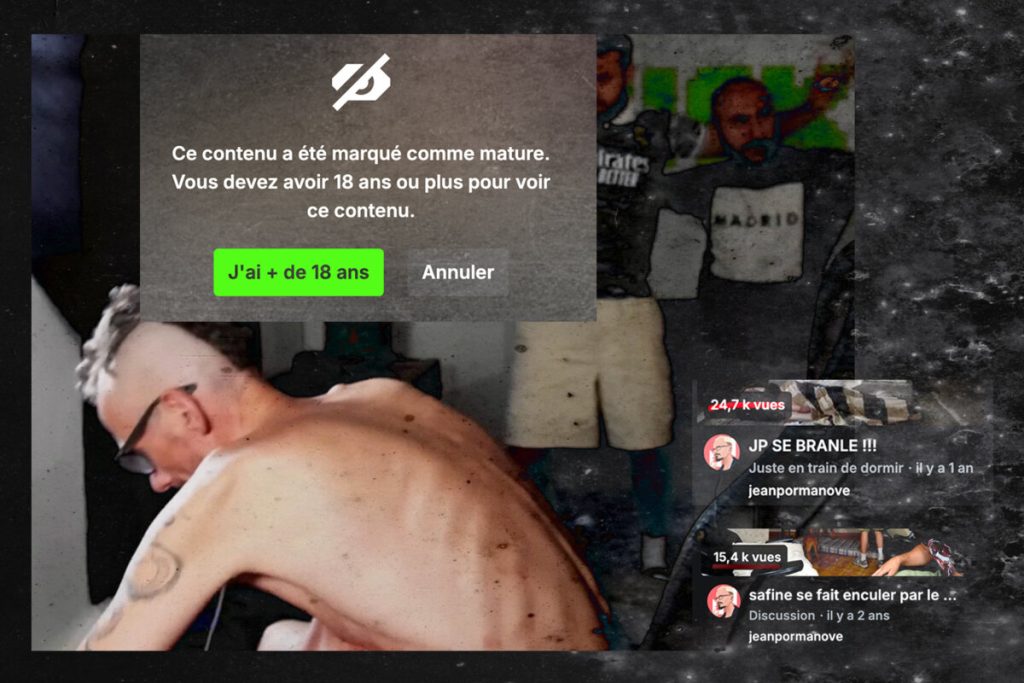
As a reminder, on August 18, 2025, influencer Raphaël Graven, aka “Jean Pormanove,” was found dead during a live stream on the Australian platform Kick. At the time, he was participating in a live stream hosted by streamers Owen Cenazandotti, known as “Naruto,” and Safine Hamadi, known as “Safine,” two content creators who were among the most followed on the platform in France at the time: 200,000 subscribers and 20,000 viewers each night.
Trash Streaming. Historically broadcast on Twitch before several sanctions, the influencers’ channel featured challenges from various guests in a studio called “Lokal.” In a constant quest for dramatic reactions, Jean Pormanove and Stéphane G., nicknamed “Koudou,” became the “victim stars” of the videos: each blow and humiliation inflicted was indirectly monetized through donations and interactions with the public.
Legally, it is important to clarify that the judgment did not address the circumstances of his death. Mr. Graven’s autopsy reportedly concluded that there was no third-party involvement: no trace of external violence or criminal act was detected. In February 2026, the case concerning Jean Pormanove’s death was dismissed.
Kick Influencers – Streamers Convicted
The investigation focused on the hundreds of hours of live streams on the channel that preceded these events. The analyzed content led the prosecution to request the conviction of Owen Cenazandotti and Safine Hamadi for several offenses: group violence, abuse of a vulnerable person, dissemination of violent images, and incitement to hatred or violence.
On August 5, 2026, the Nice Criminal Court sentenced the two streamers:
Owen “Naruto” Cenazandotti, 27, was sentenced to two years’ imprisonment, suspended, and a €15,000 fine;
Safine Hamadi, 24, was sentenced to eighteen months’ imprisonment and a €5,000 fine.
Their sentences also include a six-month digital ban.
In the absence of a public announcement of an appeal, the sentences are not yet final.
Digital banning of influencers
Codified in Article 131-35-1 of the Penal Code, this additional penalty stems from Law No. 2024-449 of May 21, 2024, known as the “SREN Law,” which aims to strengthen user responsibility online and combat abuse in the digital space more effectively.
Article 131-35-1 of the Penal Code states:
“When an offense is committed by means of or through an online platform service, the court may prohibit the convicted person, as an additional penalty, for a period not exceeding six months or, in the case of repeat offenses, one year, from using that service. It may also prohibit the creation of new accounts allowing access to the same service.” »
A legal innovation, digital bans, which can last up to six months or one year in cases of repeat offenses, aim to deter the recurrence of offenses on social networks and platforms by temporarily disconnecting offenders from the platforms used to commit the offenses.
This is a temporary, proportionate, and targeted penalty that does not deprive the individual of access to the entire internet, but only to the specific services used to commit the offense.
Digital Bans – Offenders and Social Networks
The penalty of a digital ban requires that the social network platform in question be clearly identified. Once the court decision is issued, the offender is prohibited from using their existing accounts on the targeted platform and from creating new accounts to access the same service.
More importantly, this penalty can also include an obligation for platform operators. They are required to suspend the targeted accounts. Failure to comply with this obligation may result in a fine of up to €75,000.
Failure by the convicted person to comply with the banishment sentence is considered a criminal offense, punishable under Article 434-41 of the Penal Code, which provides for a sentence of two years’ imprisonment and a €30,000 fine.
Digital Banning – Rights & Protection of Internet Users
During the interview, the proportionality of this penalty and its compatibility with other fundamental freedoms were discussed.
The limitations imposed by this penalty, restricted to specific social networks and for a capped period, appeared proportionate to the objectives of ensuring the safety and protection of individuals online.
Pronounced following a fair trial and the full exercise of the rights of the defense, digital banning appears to be a deterrent and relevant measure within the broader context of the effectiveness and performance of the judicial response to online offenses.
It complements traditional penalties such as fines, imprisonment, or public posting, and contributes to the diversification of sanctions adapted to the current technological context.
It constitutes a graduated, targeted, and proportionate response to abuses on platforms, while preserving freedom of expression and fundamental rights. However, it requires good cooperation from the platforms, rigorous judicial oversight, and training for judges in these new legal tools.
Finally, this additional penalty is linked to other civil obligations that can be imposed by the courts, such as injunctions to remove content, delisting, or measures to protect victims.
Influencers and social networks: what are their legal responsibilities?
The Jean Pormanove case is not over, as several investigations are still underway regarding the funding of streamers, but especially concerning the potential liability of the Kick platform, particularly to determine whether it paid the streamers and whether it failed in its moderation obligations despite reports.
Find the presentation of the case and the issues of responsibility raised during our interview for La Croix in August 2025.

Digital Banning and Online Offenses – Digital Law Specialist
Ensuring the compliance of online content published by influencers, content publishers, and hosting platforms—whose status is gradually evolving towards consolidated liability—requires considerable vigilance in the current competitive landscape for market share and audience reach. This compliance is particularly important given the ongoing competition for market share and audiences.
PCS Avocat assists professionals, platform creators, influencers, and online content creators with all their digital compliance challenges, as well as the issues related to liability and content moderation.
Table of Contents
Once again this summer, Villepinte became the European capital of Japanese culture for four days during the latest edition of “Japan Expo.” The law firm PCS Avocat was pleased to attend—not only as a visitor but also as a speaker alongside clients and professional partners from the sector.
It was an opportunity to reflect on the event’s significance, the challenges involved in organizing it, and the unique legal issues associated with it.
Japan Expo: An impressive, complex, and extraordinary event
A 25-year history. Founded in 1999 by a small group of enthusiasts, Japan Expo has established itself year after year as Europe’s largest trade fair dedicated to Japanese culture.
Its continuous growth has been marked by a need to adapt to several unusual challenges: a 2005 cancellation due to safety concerns regarding crowd size, and forced interruptions in 2020 and 2021 caused by the Covid-19 pandemic.
Organizers across the various editions—culminating with SEFA Event—have all had to contend with the constraints inherent to this type of event: public safety, organizational liability, and the management of partners, participants, sponsors, and, of course, attendees.
Japan Expo 2026: A 25th-anniversary edition. Marking its quarter-century milestone, Japan Expo took place from July 9 to 12, 2026, in Villepinte. The event brought together over 800 exhibitors and more than 500 speakers, drawing an attendance of approximately 250,000 visitors.

Stands and themes. Manga and publishing, figures and merchandise, video games and esports, fashion and textiles, independent artists: the themed halls at Japan Expo each drive their own economic activity and involve specific contractual issues. We visited:
The hall dedicated to manga and publishing, bringing together major French publishers and Japanese imports, raising intriguing questions regarding copyright and distribution law.
The sections for figures and merchandise—the home of official licensing and merchandising—and the areas for video games and esports, where tournaments and gaming events take place.
The fashion and textile stands, featuring independent artists (“Artist Alley”), and the stages dedicated to cosplay contests, where professionals and costumed visitors mingle.
A magnificent and fascinating event for lawyers. Beyond the festive atmosphere, Japan Expo offered a prime vantage point for a digital law attorney to observe a wide range of issues: exhibitor contracts; the legal status of creators, influencers, exhibitors, hosts, and speakers; child protection; image rights for cosplayers; counterfeiting; and contracts involving influencers and esports players.
This rich blend of culture and law made the event truly exceptional.
PCS Avocat: Speaking engagements, meetings, and reunions at Japan Expo
Partners and clients. The event provided an opportunity to reconnect with several clients who were exhibiting or speaking at the 2026 edition.
Cyberbullying of influencers. Our presence at Japan Expo also offered the chance to participate in a seminar on the cyberbullying of influencers, organized in partnership with Safebear—a French company specializing in the detection of cyberbullying and online toxicity using artificial intelligence. This session addressed the legal framework governing mob-style cyberharassment, digital raids, and the specific obligations incumbent upon influencers in this regard—an area of law that is still emerging but is increasingly being invoked in court.
Access our dedicated publication and the presentations outlining the associated issues.
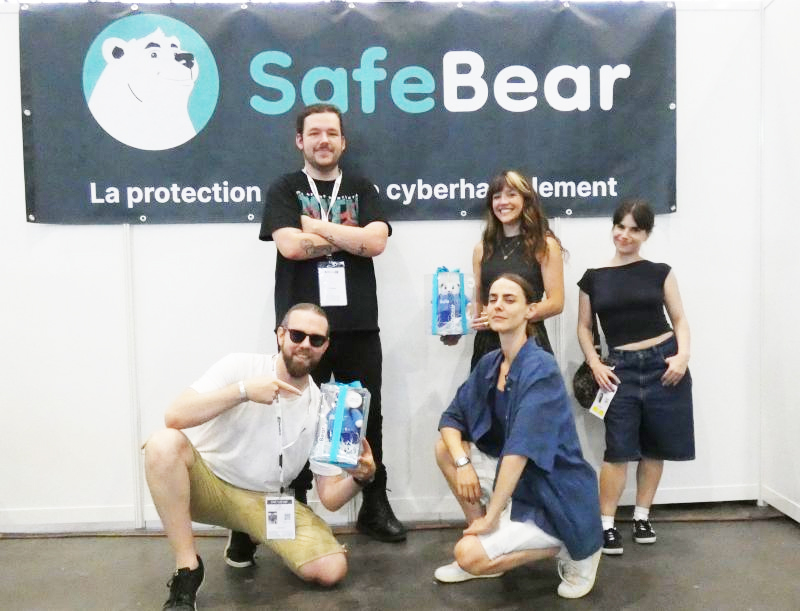
Professional meetings and reunions. Japan Expo also provided an opportunity to reconnect with professionals from a sector that—despite its growth—remains a relatively tight-knit community. We had the pleasure of crossing paths with teams from Women in Games France, France Esports, Project Conquerors, Afrogameuses, Ankama, Espot Paris, the MO5 association, and more.
A special shout-out to the Fluffy Cat Studios booth; we left with personalized keychains.

Cosplay Law: A Sector with Complex Legal Implications
Cosplay is arguably one of the event’s most impressive features, owing both to the sheer number of participants—exhibitors and visitors alike—engaged in the practice and to the richness and complexity of the costumes themselves. This activity gives rise to a wide range of legal issues affecting all those involved.
The contractual frameworks governing cosplay competitions vary depending on the nature of the event: whether they are official contests tied to the trade show, events organized directly by a brand at its own booth, or competitions run by independent associations. Each of these arrangements raises distinct questions regarding liability, rules of conduct, and ownership of the images produced during the competition.
Furthermore, in recent years, the cosplay community has been the focus of several controversies regarding racism and discrimination—ranging from accusations of “blackface” against cosplayers who altered their skin tone to portray a character, to instances of racist harassment directed at Black cosplayers portraying non-Black characters. These incidents, widely discussed on social media, raise questions concerning anti-discrimination laws and media-related criminal law, as well as the private regulations implemented by the competition organizers themselves.
Finally, intellectual property rights holders are taking an increasingly strict stance regarding cosplay costumes, as evidenced by the recent policies adopted by several publishers toward cosplayers and creators inspired by their licensed properties. This shift—following years of de facto tolerance—is fundamentally altering the balance between fan creativity and respect for copyright law.


Japan Expo, Customs, and Counterfeiting: The Law and the Crackdown on Fan Art
Since 2012, French customs officials have inspected the aisles of Japan Expo each year to detect counterfeit goods. The 2026 edition saw a particularly high-profile incident: customs agents seized unlicensed fan art in the “Artist Alley,” reigniting the debate over the distinction between inspired creation and counterfeiting under the Intellectual Property Code.
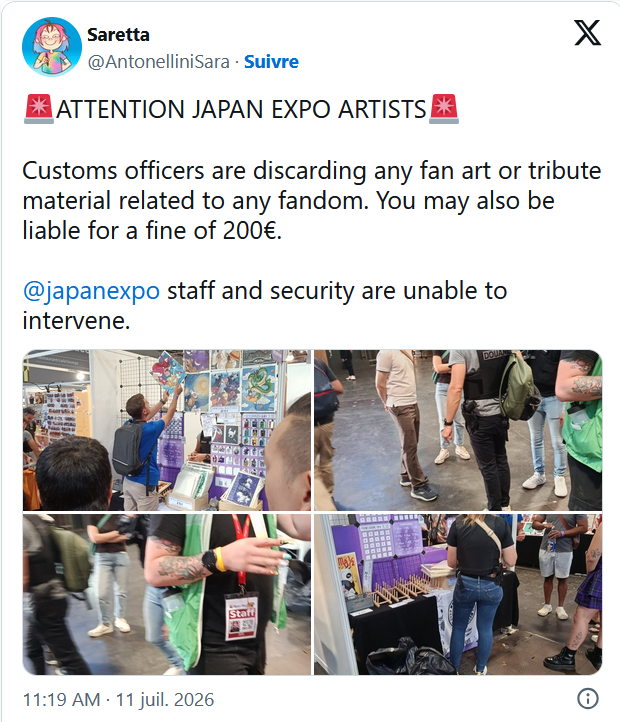
The intellectual property law applicable to these creations; the policies of publishers and creators regarding the toleration or prosecution of infringements at the trade show, the types of works involved, and the rules governing their oversight and admission by the organizers; as well as the associated liabilities—those of the creator, the trade show organizer, and the—more indirect—liability of the rights holder who initiated the report—all constitute technical legal issues requiring professional advice.
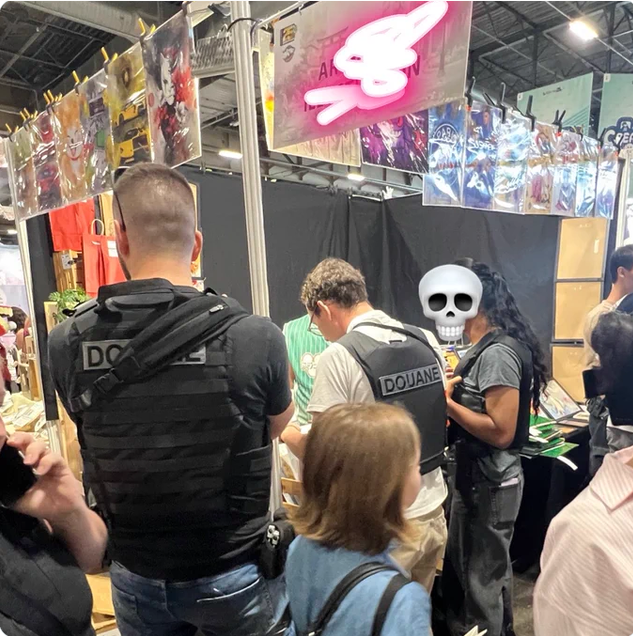
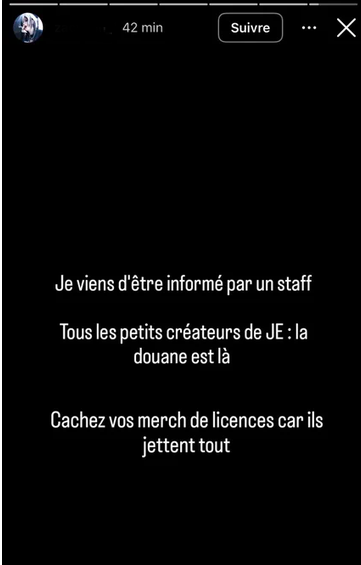
Some exhibitors and event participants have drawn attention to the presence of customs services, citing concerning statements and remarks. Indeed, certain messages could potentially constitute a criminal offense.
Some messages could be interpreted as encouraging or facilitating fraud, an offense punishable under the Customs Code (Art. 399). Similarly, any instruction given to conceal illicit or counterfeit goods constitutes the offense of complicity under general criminal law—applicable to customs offenses (Art. 121-7 of the Penal Code).
Images and Content Creation: Legal Rights for Photographers and Influencers
Two categories of participants, often conflated, require distinct legal treatment. On one hand, there are the amateur and professional photographers at the event; their status—whether press-accredited or general visitors—largely determines their rights regarding the photos they take (particularly of cosplayers) and how those images may be used after publication.
On the other hand, there are the influencers and content creators invited to the event. Their status, brand contracts, and obligations regarding advertising transparency are strictly regulated, notably by the Law of June 9, 2023, governing commercial influencer activity.
Regardless of their status, the use of cosplayers’ images—and their dissemination online, particularly on social media, in the context of Japan Expo—requires not only the cosplayers’ consent but, more importantly, full respect for their broader rights and the associated legal and regulatory obligations.
Esports at Japan Expo: Video Game Competitions and/or Gaming Events
An extension of the broader gaming sector, esports—in the form of organized video game competitions featuring specific titles—has found its way into Japan Expo in various forms. The presence of major industry players—such as IJC Esport, France Esport, and Project Conqueros—demonstrates the significant role the sector has assumed in recent years. The presence of players, coaches, hosts, and specialized influencers at booths, alongside on-site tournaments designed to promote video games, highlights the legal complexities of the sector—an area in which our firm has developed cutting-edge expertise.
The French legal framework for esports, stemming from the 2016 “Digital Republic” Law, still struggles to strike a stable balance between the regulatory regimes governing sports, event management, and advertising partnerships—a hybrid nature that is clearly reflected at an event like Japan Expo. Japan Expo Sponsorships and Partnerships: The Legal Aspects of Collaborations
The diversity of partner organizations present at the convention—professional associations, clubs, brands, publishers—reveals the difficulties associated with classifying partnerships and their contractual framework: traditional sponsorship, charitable giving, co-organization of events, etc.
Professional partnerships encompass a wide variety of situations, constraints, and specific legal issues that require close attention. Read our overview of the associated issues here.
Our firm specializes in the legal aspects of these matters. Please contact us for further information.
Presentation
Japan Expo Panel: Content Creators and the Fight Against Online Abuse
On Thursday, July 9, 2026, as part of the “Web Culture” program at Japan Expo Paris, PCS Avocat took part in the Safebear roundtable discussion focused on the cyberbullying of influencers. Speaking at the Mana stage at the Paris-Nord Villepinte Exhibition Center, attorney Pierre-Xavier Chomiac de Sas appeared alongside:
Marion Séclin, Coline Sicre, and JULI—content creators in fields such as audiovisual media, music, and “storyliving”;
Jérémy Guillon, CEO of Safebear, a cybersecurity solution addressing online abuse;
Yann Lescop, representing PointContact, an association dedicated to supporting victims of digital abuse.
The discussion shed light on the realities of the influencer profession, the extent of the cyberbullying they frequently face, the legal and judicial shortcomings regarding their protection and the prosecution of perpetrators, and—most importantly—the most effective courses of action.
A replay of the session will be available soon.




Influencer Law: A Range of Legal Provisions Consolidated by the 2023 Act
As online content creators, influencers are subject to a variety of regulatory provisions. Acting as both publishers and distributors, they bear editorial liability online, involving the concurrent application of the LCEN regime and the 1881 Press Law, depending on the nature of the content disseminated.
Since a portion of the influencer business model relies on promoting products and services, consumer protection laws fully apply to them—particularly regarding advertising restrictions and illicit commercial practices. Issues concerning personal data (GDPR), intellectual property, and trademarks also come into play where applicable, as do broader regulations governing the commercial use of their image.
This fragmented regulatory landscape long left the sector in a state of uncertainty, until the French legislature stepped in during 2023 to consolidate and clarify parts of this framework.

The Law of June 9, 2023: A Long-Awaited Clarification
In response to abuses and scandals involving the misleading promotion of speculative financial products, fraudulent dropshipping, and covert advertising for aesthetic medical procedures—issues particularly affecting consumer and minor protection—Law No. 2023-451 of June 9, 2023, established an official definition of commercial influencing:
“Natural or legal persons who, for remuneration, leverage their fame among their audience to communicate content to the public via electronic means—aimed at directly or indirectly promoting goods, services, or any cause—are engaged in the activity of commercial influencing via electronic means” (Article 1).
The Activity of Influencing: A Unique Form of Public Exposure
It is an activity involving high media visibility, comparable to that of politicians, athletes, actors, and other professionals in the creative and sports industries.
However, because their work centers on creating content for social media platforms and engaging deeply with online communities, influencers face a significantly higher risk of cyberbullying and other offenses.
As noted by the speakers, influencers build their fame on an ongoing, quasi-intimate relationship with their community; this exposes them to hostility of an intensity rarely encountered in other professions.
Cyber-harassment of content creators: a documented reality
Cyber-harassment is defined by Article 222-33-2-2 of the Penal Code as the act of harassing a person through repeated remarks or behaviors intended to—or having the effect of—degrading their living conditions, resulting in an impairment of their physical or mental health.
The Schiappa Law of August 3, 2018, introduced the concept of “mob harassment” or “digital raids”: acts may be classified as harassment even if each perpetrator acted only once, provided their remarks—whether coordinated or not—form part of a series of similar comments targeting the same victim. The Court of Cassation confirmed this interpretation in a ruling on May 29, 2024, upholding the conviction of an individual who had posted a single message amidst a flood of hateful messages.
Content creators provide a particularly clear illustration of this phenomenon:
Marion Séclin, an actress and video creator, spoke of receiving 40,000 threatening and abusive messages following the 2016 release of a video on street harassment—a campaign she has frequently discussed in public, including at this roundtable discussion.
Marvel Fitness, a fitness influencer, was sentenced by the Versailles Court of Appeal on September 28, 2021, to two years in prison (with twenty-two months suspended) for harassing several other influencers and orchestrating digital raids against them by his community; this was the first final conviction handed down under the “mob harassment” provision established in 2018.
Maghla, a streamer with hundreds of thousands of followers on Twitch, secured the conviction of one of her harassers, who was sentenced to one year in prison by the Meaux Criminal Court. Cyberharassment targeting influencers is also distinguished by the wide variety of forms it can take: massive anonymous campaigns, raids organized by peers, repeated individual harassment, the prolonged mobilization of a community by an influential figure, doxing, swatting, deepfakes, etc.
Given this diversity of situations and behaviors, there is no single legal or judicial response; instead, each victim’s case requires a tailored approach regarding the actions involved.
Cyber-harassment of influencers: Advice and strategies
Marion Séclin’s account is illuminating in this regard: faced with tens of thousands of messages from anonymous accounts, the victim encounters a very concrete obstacle—it is physically impossible to file a formal complaint against every single perpetrator.
However, this sense of powerlessness—widely shared among content creators—should not lead to inaction. The legal framework has been significantly strengthened since 2018, offering three avenues of action that can be combined: criminal proceedings, civil litigation, and quasi-legal measures.
First and foremost, it is essential for influencers to surround themselves with a support network—including legal, medical, and professional advisors, moderators, and business partners—capable of supporting and guiding them through such ordeals, thereby easing the burden of cyber-harassment and ensuring its impact is not downplayed.
Influencers and Online Harassment: Managing the Criminal Law Response
While the weaknesses and limitations of criminal proceedings are well known, the value of such procedures should not be underestimated; it is important to understand their full range of benefits:
It serves as a wake-up call for perpetrators—often young and foolish—to face police custody, questioning by judges, summonses to criminal courts, convictions, and the entry of a harassment-related offense on their criminal record.
It offers reassurance to influencers to be able to delegate the prosecution of their attackers to trained, competent professionals.
With the help of legal counsel and lawyers, influencers can determine—based on the nature of their activities—which specific criteria and conditions should automatically trigger the filing of a formal complaint.
Cyber-harassment (Article 222-33-2-2 of the Penal Code) is punishable by one year in prison and a €15,000 fine; these penalties increase to two years and €30,000 if the victim is over fifteen, and up to three years and €45,000 if the victim is under fifteen. The “mob harassment” legal mechanism allows for the prosecution of perpetrators who contributed to the campaign only once, provided their action was part of a repeated pattern of harassment.
Law No. 2024-449 of May 21, 2024 (known as the SREN Law) introduced a significant new tool: Article 131-35-1 of the Penal Code now empowers judges to impose “digital banishment” as an additional penalty. This entails suspending the account(s) used to commit the offense for a period of six months, extending to one year in the event of a repeat offense. Upon being notified of the conviction, the platform in question must block the content, subject to a fine of €75,000.
Other criminal charges may usefully supplement the legal action: public insult and defamation (Law of July 29, 1881), invasion of privacy (Articles 226-1 et seq. of the Penal Code), or AI-generated content or composites that infringe upon a person’s image without their consent (Articles 226-8 and 226-8-1 of the Penal Code)—a charge that is increasingly relevant in the context of deepfake misuse.

Influencers and online harassment: assessing damages and civil litigation
Civil legal avenues offer a range of potential actions that, while often unfamiliar to litigants, can be highly effective when properly utilized.
Independent of criminal proceedings, an influencer who is a victim of harassment can hold the perpetrators civilly liable under Article 1240 of the Civil Code to obtain compensation for non-pecuniary damage, financial loss (such as the loss of partnerships), or damage to their reputation. The process of identifying and assessing these damages represents a valuable and scalable exercise for influencers.
Other claims may also be brought before civil courts, such as a request for the rapid removal of contentious content. Article 6-3 of the LCEN (formerly Article 6-I-8, recodified following the SREN Act) provides for an expedited procedure on the merits, allowing a party to petition the President of the Judicial Court—including against a hosting provider based abroad. While this procedure does not provide compensation for damages—a separate action remains necessary for that purpose—it enables the harmful activity to be halted quickly.

Legal protection for influencers: extrajudicial actions
Such legal actions must almost always be preceded or accompanied by non-litigious steps, which are often decisive for the subsequent proceedings:
Gathering evidence. As a crucial element of legal proceedings, the compilation of evidence must not be overlooked. Having a commissaire de justice (formerly a huissier or bailiff) formally record the facts establishes their material reality and recurrence before the court—a form of evidence rarely challenged in practice, unlike simple screenshots.
However, this process can entail significant costs and prove too slow to respond effectively to online infractions. Private entities such as Safebear have introduced digital solutions that automate information gathering and certify data integrity, offering tools better suited to modern practices.
Reporting to platforms, which are required to provide a mechanism for notifying them of illicit content (Art. 6-4-1 of the LCEN) and to prioritize reports from “trusted flaggers.”
Reporting to the PHAROS platform, the Ministry of the Interior’s portal dedicated to reporting illicit online content.
Issuing a formal notice to the hosting provider; this is a useful—and sometimes necessary—precursor to any liability claim against the host, given the strict legal framework (under the LCEN) governing the conditions under which a host can be held liable.
The value a lawyer brings lies precisely in their ability to coordinate these three levels of action—criminal, civil, and paralegal—based on the nature of the attack (coordinated raid, identified harasser, or isolated yet widely shared content), the urgency of stopping the harm, and the victim’s objectives—whether to halt the activity, obtain compensation, or secure a court ruling that publicly affirms the prohibition of the conduct.

Cyber-harassment: Protecting Content Creators and Their Businesses
The roundtable discussion focused on the ineffectiveness of legal and judicial avenues for recourse: criminal proceedings are lengthy and costly, and judgments are often disappointing due to a failure to prosecute all harassers or penalties deemed insufficiently deterrent.
It emerged that only a strategy combining communication with measures to combat potential cyber-harassment can effectively mitigate risks and stabilize an influencer’s professional activity. Such strategies must include identifying the specific conditions and situations that automatically trigger a legal response—whether criminal or civil. At the same time, however, other mechanisms involving private-sector partners can be implemented to safeguard the continuity of the influencer’s business.
PCS Avocat – Influencers, Content Creators & Cyber-harassment
Cyber-harassment targeting influencers is no longer a legal blind spot: from the 2018 Schiappa Law to the 2024 SREN Law, the available criminal and civil legal arsenal has been significantly strengthened. Yet, this has not eliminated the practical challenge—aptly described by the roundtable participants—faced by victims confronting thousands of anonymous perpetrators. It is precisely at the intersection of the law and real-world realities that the lawyer’s role comes into play.
PCS Avocat thanks Japan Expo Paris and Safebear for the invitation, as well as Jérémy Guillon, Marion Séclin, Coline Sicre, and JULI for the high quality of the discussion.
Une question sur le statut juridique de votre activité d’influenceur, un contrat de partenariat à sécuriser, ou une situation de cyberharcèlement à traiter ? Contactez notre cabinet.
Pour aller plus loin, consultez notre page dédiée au droit des influenceurs, streamers et créateurs de contenu, notre guide sur le contrat d’influenceur et notre analyse du statut et des activités des influenceurs.
Presentation
On July 7, 2026, Pierre-Xavier Chomiac de Sas had the pleasure of speaking once again with Nicolas Jucha on the Play Smart show, sharing his expertise on the ownership of video games and their content—particularly within the broader context of the shift toward digital-only distribution.
Central to the discussion was Sony’s recent announcement that it would cease production of physical disc-based PlayStation games starting in January 2028, marking the transition of its catalog to a fully digital format.
PCS Avocat analyzes the legal implications of this shift for the ownership of video games and their content.
https://www.bsmart.fr/video/34472-play-smart-13-juillet-2026
Check out our previous appearances discussing video games on the Bsmart channel and its dedicated programs.
- 2026.03 – Play Smart – Droit, IA & direction artistique des jeux vidéo
- 2025.04 – Play Smart – Jeux vidéo : UFC Que Choisir vs Steam
- 2025.12 – Bsmart – Contenus et contrôles des jeux vidéo
Sony Video Games: Exclusively Digital-Only Releases Starting in 2028
On July 1, 2026, Sony Interactive Entertainment announced that all future video game titles—whether first-party exclusives or third-party games—would be available solely in digital format, whether via the PlayStation Store or partner retailers. Sony justifies this decision by citing shifting consumer preferences, noting that digital sales accounted for 78% of full-game sales in 2025.
This strategy is part of a broader trend among publishers—such as Microsoft and Electronic Arts—to accelerate the shift to an “all-digital” model, driven by physical game sales figures that hovered around 12% in 2024.
Digital Video Games: Undeniable Benefits for Stakeholders
The shift toward digital video games and their distribution warrants an analysis of the advantages involved.
For players, digital distribution offers immediate access to games (instant downloads, no need to visit a store), space savings that are often overlooked, the elimination of risks associated with physical damage (such as scratches), access to an expanded catalog—including titles not released physically in certain countries—and sometimes attractive pricing via platforms like Steam (though this point requires nuance, as some digital games are more expensive than their pre-owned physical counterparts).
For game publishers, digital distribution eliminates manufacturing and logistics costs, improves margins for rights holders, simplifies the management of back catalogs by removing inventory constraints, and helps curb piracy—a phenomenon linked less to price than to game accessibility. For independent developers and studios, the shift to digital distribution has opened up low-cost distribution channels and the ability to reach niche audiences, alongside the rise of crowdfunding (Kickstarter, Ulule) and platforms like Steam’s Greenlight—exemplified by success stories such as Minecraft.
As discussed with Nicolas Jucha, digital distribution offers environmental benefits by reducing the production and transport of physical media; however, this must be balanced against the carbon footprint shifted to data centers, where electricity consumption remains a key concern.
Digital video games: varied and valid criticisms
Sony’s announcement has reignited various criticisms voiced in recent years regarding the shift toward digital video game content.
Gamers point to the loss of the “collectible” aspect of video games (no more physical objects, cases, manuals, or bonus items), a genuine reliance on a stable Internet connection, the inability to resell or lend games tied to specific accounts (Steam, Apple)—since the game is licensed rather than owned—and the widespread use of additional (micro)payments to enhance the gaming experience.
This system forces publishers to absorb new infrastructure costs (servers, storage, maintenance) and sharply rising marketing budgets needed to stand out in a saturated market, while also creating friction with physical retailers who still influence pricing—as seen with the PSP Go, which was boycotted by some distributors.
Independent studios will face intensified competition driven by easy market access and the challenge of gaining visibility.
Finally, retailers will undoubtedly be the hardest hit, facing revenue losses that could lead to store closures, job cuts, or even bankruptcy. Alternatively, this leads specialized retailers to diversify their products and services—potentially including their own platform for the digital sale of games.
Video Game Law: Purchase or License?
PCS Avocat has had the opportunity to present the legal issues surrounding the thorny question of ownership regarding video games and in-game content.
The legal characterization of transactions between publishers/platforms and players—whether concerning the video game itself or additional content (skins, extra lives, DLC, etc.)—is primarily governed by the publishers’ terms and conditions (EULAs). Relying on intellectual property principles, publishers retain ownership of the games and content, granting player-users merely a license to use them—a license that is revocable under conditions that are sometimes open to criticism.
La publication de Sophie Roman & Pierre-Xavier Chomiac de Sas sur le sujet

Platform Law: Sony and License Control
The issue of the shift to digital games and the question of ownership extends to other products and services. Several incidents involving Sony have highlighted the loss of user rights, particularly regarding audiovisual and cinematic content.
StudioCanal (2026). Sony announced that, effective September 1, 2026, over 550 films purchased on the PlayStation Store would be permanently removed due to the expiration of licensing agreements, with no compensation planned for customers. The company justified this decision by citing the fact that users do not hold ownership rights over the digital content they acquire.
Discovery (2023). In December 2023, “Discovery” content was slated for removal from PlayStation libraries, but a massive user backlash prompted Sony to reverse the decision. Notably, similar removals had already occurred in Germany and Austria in 2022, indicating a recurring practice rather than an isolated incident.
Read our interview : « Pourrai-je encore y jouer demain ? Quand le jeu vidéo bascule dans le tout dématérialisé »
Digital-only video games: what does the future hold for the second-hand market and collectors?
Sony’s announcement has sparked serious concern among professionals in the video game resale sector. Moving away from the disc format for new PlayStation titles is set to hurt specialized retailers like Micromania and GameCash; both the in-store availability of major releases and franchises and the broader practice of reselling used video games are potentially facing extinction.
Collectors and video game heritage. Beyond the secondhand market professionals, Sony’s announcement is equally concerning for video game heritage preservation groups, such as MO5.COM and the Odyssée museum. Without physical media, these organizations lose one of their primary preservation tools: the acquisition and physical conservation of games, independent of the publisher’s wishes.
This issue was central to discussions at the symposium “Online Video Games: Playing, Studying, Preserving”—organized by the BnF and the École nationale des chartes on June 8 and 9, 2026—in which PCS Avocat participated.
A purely digital game remains subject to the publisher’s technical and legal control via the End-User License Agreement (EULA); it can vanish overnight if servers are shut down, with no organization able to guarantee long-term access. The case of The Crew—withdrawn from sale and rendered unplayable following server shutdowns—illustrates this vulnerability, which sparked the European “Stop Killing Games” initiative.
In the absence of any legal deposit or archiving obligation imposed on publishers, these organizations must rely solely on the publishers’ goodwill to safeguard a portion of our digital cultural heritage.
Sony vs. Nintendo: Digital-only media vs. hybrid Game Key Cards
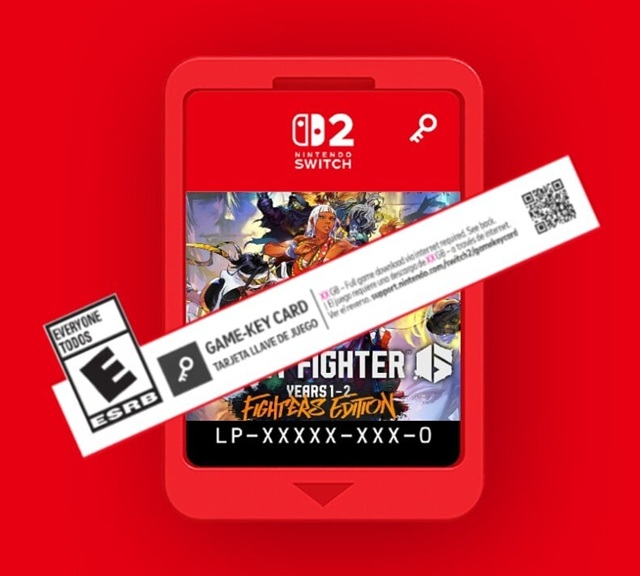
Sony’s strategic choice—following the path set by Microsoft—has reignited the debate surrounding the new model Nintendo is implementing for the Switch 2: the “Game Key Card” system, a hybrid video game media format.
PCS Avocat assists video game publishers, platforms, distributors, and studios in legally structuring their digital offerings (EULAs, terms of sale, additional content) and in anticipating risks related to ownership and long-term access to content.
Please do not hesitate to contact our team with any questions regarding these issues.
Présentation
From 18 to 21 June 2026, Cologne hosted the Global Esports Industry Week (GEIW), the leading week for the global esports industry, held this year alongside the IEM Cologne Major, an esports tournament under the Counter-Strike 2 licence. Represented by Pierre-Xavier Chomiac de Sas and Sophie Roman, PCS Avocat was honoured to be invited to speak at the expert workshop organised by the International Games and Esports Tribunal (IGET), for a panel discussion devoted to the role of alternative dispute resolution (ADR) mechanisms in esports disputes.

Esports and Video Game Competitions: The Global Esports Industry Week (GEIW) 2026
Organised by The Esports Radar and the Esports Integrity Commission (ESIC), with ESL FACEIT Group (EFG) as host partner, the second edition of GEIW took place in Cologne following an inaugural edition in Austin, Texas, in 2025. The city simultaneously hosted the IEM Cologne Major, bringing together esports industry stakeholders and fans supporting their teams over four days.
More than 400 executives, legal officers, publishers, organisers and institutional representatives gathered for a packed programme: the ESIC Global Esports Summit, devoted to governance and the sector’s long-term economic sustainability; the IMPACT Live summits on video game development and education; the Esports Leaders Cologne evening; the inaugural Esports Leaders Honours, recognising the sector’s leading figures of the year; and the IGET expert workshop in which we took part.
Organisations in attendance included ESL FACEIT Group, the Esports World Cup Foundation, ENorth Media, MOONTON, NODWIN, Corsair, BLAST, the ESBD, MSI, HEROIC, the World Intellectual Property Organization (WIPO) and AOC. Ralf Reichert, CEO of the Esports World Cup Foundation, and Niccolo Maisto, CEO of EFG, were among the leading speakers. Stephen Hanna, CEO of ESIC, summed up the week’s central theme: integrity, governance and long-term sustainability remain critical priorities for a sector still young in its institutional development.
Our participation in the sessions on the legal dimensions of esports and in the IGET workshop reflects recognition of the work our firm has carried out over the past ten years, both in advising our clients on digital and esports law and through our status as a certified professional mediator.

IGET: A Private Tribunal for Esports
The International Games and Esports Tribunal (IGET) is a non-profit dispute resolution centre, jointly established by the Esports Integrity Commission (ESIC) and the World Intellectual Property Organization (WIPO) Arbitration and Mediation Center, a United Nations body. Launched in 2025 at an online event attended by several hundred participants, IGET is already administering its first arbitration and mediation proceedings — the first published “award” can be viewed at iget.gg.
IGET’s ambition is clear: to become the “CAS of esports” — that is, a single point of entry for all disputes relating to video games and esports, equipped with modern arbitration rules and case-management tools designed for the sector’s specific needs. Its work is structured around two strands: integrity disputes, handled in conjunction with ESIC (cheating, doping, match-fixing), and commercial and intellectual property disputes, handled in conjunction with the WIPO Arbitration and Mediation Center.

The expert workshop held in Cologne was the second edition of this format, a multi-part platform designed to raise awareness of IGET and to present the latest legal developments in the video game and esports sector.
For a sector long shaped solely by the contractual will of publishers, organisers and platforms — terms of use, competition rules, internal charters — the rise of a dedicated arbitral institution marks a significant milestone: that of an ecosystem progressively equipping itself with its own legal architecture, much as the Court of Arbitration for Sport has represented for traditional sport for decades.
Lawyer & Mediator: The Case for ADR in Addressing Esports’ Complex Challenges
We spoke alongside Rodolphe Ruffie-Farrugia, partner at KL Gates, as part of a panel entitled “Protecting the Players from the Players: Esports Integrity Challenges & Solutions.” The purpose of the discussion was to demonstrate, through concrete examples, why alternative dispute resolution mechanisms (mediation, arbitration, conciliation) are particularly well suited to the specific nature of esports disputes.
Why ADR is particularly well suited to esports. Three features of the sector support this view. First, the almost systematically international nature of the relationships between players, clubs, publishers and organisers, which makes identifying a competent state court complex and any resulting judgment often ill-suited to the sector’s realities. Second, the technical complexity of the disputes — anti-cheating, cybersecurity, intellectual property in digital assets — which frequently exceeds the expertise of generalist courts. Finally, the need, in a sector where the same parties collaborate on an ongoing basis (player/club, organiser/publisher, sponsor/event), to preserve the contractual relationship rather than expose it to public, adversarial proceedings.

We nevertheless noted an important limitation under French law: an arbitration clause included in an employment contract is deemed unwritten pursuant to Article L. 1411-4 of the French Labour Code, which reserves jurisdiction over individual employment disputes to the Labour Court (conseil de prud’hommes). The scope of ADR in esports must therefore be carefully assessed according to the legal characterisation of the contract at issue.
Player health and club/player relations. Disputes concerning players’ physical and mental health — overwork, burnout, termination of contract without compensation, the employer club’s safety obligations — often involve sensitive data, sometimes relating to minor players. The confidentiality afforded by mediation protects both the player and the organisation from disproportionate media exposure, while allowing for faster resolution than conventional litigation.
Event security. Liability in the event of an incident during a competition — a cyberattack disrupting a tournament, a security failure involving the organiser, venue, technical providers and sponsors — frequently involves multiple parties with overlapping contractual interests. The cyberattacks that have targeted several esports events in recent years illustrate the need for a rapid, technically competent response, which ADR mechanisms deliver more effectively than conventional litigation, which is structurally slower and public.
Organisers’ handling of cheating. Cheating in esports takes many forms — software-based cheating, pharmacological doping, match-fixing — calling for differentiated responses from organisers. The 2019 Australian case involving six Counter-Strike: Global Offensive players, arrested for match-fixing for betting purposes (with stakes reportedly reaching USD 30,000), remains one of the rare cases to have been brought before a state court. It illustrates the difficulty a conventional judicial system faces in addressing the technical, cross-border conduct specific to esports. Conversely, sanctions imposed by organisers or by ESIC itself — bans, disqualification — call for a fast, specialised challenge mechanism recognised by all industry stakeholders: this is precisely the role IGET intends to play.

This event was an opportunity to reaffirm that PCS Avocat combines long-standing expertise in esports law with Maître Chomiac de Sas’s status as a certified professional mediator — a rare positioning that enables the firm to assist clubs, organisers and publishers both in drafting tailored dispute resolution clauses and in representation before these specialised bodies.
*Pour aller plus loin sur ces problématiques, consultez notre guide sur la protection de la santé des joueurs esportifs et notre analyse du contrat du joueur esportif et de sa relation avec le club
Counter-Strike: IEM Cologne Major and Thrilling Matches
The week concluded on 21 June with the IEM Cologne Major final at the LANXESS Arena, before a packed arena worthy of the city’s reputation as the “Cathedral of Counter-Strike.” Team Falcons claimed its first Major title, winning 3-0 against FURIA. Ilya “m0NESY” Osipov was named tournament MVP, while Finn “karrigan” Andersen secured his second Major title as in-game leader — following the one won with FaZe Clan at the PGL Major Antwerp in 2022 — becoming, at 36, the oldest player to win a Major, ending a long run of lost finals for NiKo and m0NESY.

We would like to thank The Esports Radar, the Esports Integrity Commission and ESL FACEIT Group for their invitation to this expert workshop, as well as Rodolphe Ruffie-Farrugia for the quality of our exchange during the panel discussion.
This week in Cologne confirms, if confirmation were needed, that legal and dispute resolution questions are now fully part of the esports industry’s maturation — a development that PCS Avocat will continue to support and document. For any question relating to the legal structuring of your esports business, the drafting of your contracts, or the handling of a dispute, the PCS Avocat team is at your disposal.


Presentation
On Monday, June 8, and Tuesday, June 9, 2026, the symposium “Online Video Games: Playing, Studying, Preserving” took place, co-organized by the École nationale des chartes – PSL and the BnF, through the efforts of Henri Bazan, David Benoist, Emmanuelle Bermès, and Christophe Carini-Siguret.
Building on the initial insights shared by Ludivine Mouysset and Professor Julie Groffe-Charrier, Pierre Xavier Chomiac de Sas and Sophie Roman participated in a roundtable discussion titled “Rules of (Online) Games.” Moderated by Christophe Carini-Siguret, the session also featured law professor Geoffray Brunaux (University of Reims Champagne-Ardenne).
The roundtable discussion addressed several key aspects of video game preservation, particularly from a legal perspective.
Watch the discussions from the second day here:
Preserving Online Games: A Legal Conundrum
Preserving online games faces a dual legal and technical hurdle that complicates their protection as cultural heritage. Copyright law grants publishers an absolute monopoly over the reproduction of their titles, with no effective legal exceptions. Locked behind End User License Agreements (EULAs), it appears legally impossible to circumvent the publishers’ authority over their games—a situation further complicated by their digital-only nature.
Subject to patches and updates that alter mechanics, content, and rules, online games exist only as a succession of evolving digital versions. Added to this are player-created in-game elements that enrich the collective experience but defy stable capture. This dynamic relies on technical dependencies controlled by the publisher, making external preservation difficult without the transfer of expertise, proprietary tools, or even ongoing maintenance.
Under these conditions, preservation methods for online games are notably fragmented and haphazard. Legal avenues—such as voluntary deposit by the publisher or agreements with heritage institutions—remain marginal. This has fostered the rise of alternative solutions like emulators, private servers, fan games, and ROM hacks, all of which operate in a state of significant legal uncertainty, depending on the aggressiveness of publishers whose content is being “hacked,” partially copied, or outright counterfeited.
Beyond the video game itself, there is interest in preserving the gaming experience. The volume of digital content created by users is immense: audiovisual gameplay captures; guides showcasing the game, its characters, and its content; forums; mod-sharing communities; and so on. This fragmentation of sources runs up against digital-era obstacles, including technical and legal dependence on the hosting platforms, a lack of shared resources, and the absence of a comprehensive preservation policy.

Law and Video Games: Protecting the Value of Video Games
Video game publishers exercise both legal and technical control over their games—control that may conflict with the interests of other parties seeking to preserve the game’s asset value (such as players, archivists, etc.).
Legal Control. As the game’s producer and distributor, the publisher enjoys copyright and intellectual property protection over all elements associated with the title. These necessary prerogatives result in legal restrictions on any use or reuse of the games—even for purposes of preservation or archiving, where the game is viewed as a creative work.
The publisher’s exploitation rights and licenses are exercised through the End-User License Agreement (EULA), which binds every player, consumer, or user of the games, services, and content.
In recent years, however, several legal challenges have been brought to contest the legality of these provisions—particularly regarding consumer law (obligations of conformity, unfair contract terms, information requirements, etc.) and certain European regulations (such as the GDPR and the protection of players’ personal data).
Technical Control. On a more practical level, video game studios or publishers retain technical control over the game and the practical conditions of access to it. They are free to modify their games—sometimes significantly—through automatic or forced updates and patches. Such modifications may be driven by security considerations, the need to optimize the user experience, or a desire to re-evaluate the game’s business model.
In this context, Geoffray Brunaux and Sophie Roman have highlighted the legal issues surrounding certain potentially unlawful practices—specifically “nerfing,” which involves reducing the attributes of a weapon, character, or in-game item. Beyond the unilateral modification of game content, the publisher’s technical control also extends to access to the game—a particularly important aspect for games accessible via online servers.
Indeed, players lose access to the game—in which they have sometimes invested significantly—if the servers are shut down. This issue has notably provided an opportunity to discuss the California “Protect Our Games Act” bill, as well as the viability and control of private servers as a potential solution.
Read our overview of the shutdown of the game The Crew and its consequences, particularly the “Stop Killing Games” initiative.

Video Game Law: Preserving the Gaming Experience
The roundtable discussion provided an opportunity to examine the issue of video game heritage through the lens of players and their genuine contribution to the medium. Players modify, create, and share content—subject to varying levels of publisher authorization or tolerance. This user appropriation raises a central legal question: where do player rights end, and where does the publisher’s exclusivity begin?
Permitted creations: when the publisher opens the door. Some publishers place user creation at the heart of their business model. Map editors (e.g., The Legend of Zelda: Breath of the Wild, Mario Maker), sandbox games (Minecraft, Roblox), and platforms with built-in tools (Media Molecule’s Dreams) provide players with an explicit contractual framework. Terms of Service generally grant a license to use assets while retaining intellectual property rights for the publisher. Creation is permitted and regulated—and sometimes monetized—but never fully liberated.
Tolerated creations: the legal ambiguity of mods and UGC. Mods and user-generated content (UGC) exist in a well-known legal gray area. Technically, modifying a game without authorization can constitute an infringement of the publisher’s rights regarding reproduction and adaptation.
In practice, most major publishers turn a blind eye—or even actively encourage modding communities (e.g., Bethesda, Valve)—provided the creations remain non-commercial. This tolerance is fragile: it rests on a unilateral decision by the publisher that can be revoked at any time, granting the creator no vested rights.
Illicit creations: when creation trumps the law. Some creations cross the legal line into illegality. Examples include fan games that utilize protected universes and characters (such as Pokémon Uranium, shut down by Nintendo in 2016), ROM hacks that exploit pirated files, and legal cases like Dstockage; these illustrate how rights holders respond to unauthorized uses. These creations, even when driven by sincere love for the franchise, constitute counterfeits within the meaning of the Intellectual Property Code. Well-intentioned motives do not constitute a legal justification under French law—only express authorization from the publisher could legitimize such uses.

Protecting a player’s personality attributes: pseudonyms, avatars, and digital identity in video games
Players’ engagement with video games goes beyond mere content creation; it also involves constructing a distinct digital identity—such as a pseudonym, avatar, or competitive handle—that can acquire genuine legal and economic value, particularly within the esports landscape. While French law provides no unified protection framework for these attributes, they can be safeguarded through a combination of regulations.
First, a pseudonym constitutes personal data under the GDPR if it allows for the identification of its holder, thereby requiring publishers and organizers to comply with the associated obligations. Second, it can be registered as a trademark, provided it possesses sufficient distinctiveness—a robust but non-automatic form of protection that professional players and esports organizations have already utilized to combat cybersquatting.
When a third party exploits the renown of a player or avatar without authorization, a claim of “parasitism”—based on Article 1240 of the Civil Code—offers an additional legal avenue that does not require a direct competitive relationship. Together, these mechanisms create a layered protection strategy, though their effectiveness relies on proactive legal planning. Players who fail to secure their identity beforehand often find themselves defenseless against publishers’ Terms of Use, which may have required them to assign—sometimes unwittingly—a significant portion of the rights to their own avatar.

Video Game Law: Defending Derivative Works
Beyond modifying the game itself, users exploit video game content in various ways that raise significant copyright issues. Creating audiovisual content—such as “Let’s Plays,” Twitch streams, and YouTube videos—involves capturing and publicly broadcasting protected works. While some publishers have established regulated monetization policies (e.g., YouTube’s Content ID, or streaming licenses from Nintendo or Microsoft), there is no uniform legal framework in France to legitimize these practices.
The creation of guides, wikis, character analyses, and discussion forums raises questions regarding the partial reproduction of protected graphic and narrative elements—issues tempered in practice by publisher tolerance, as they view these activities as a source of free exposure. Even more ambiguous are alternative or transformative creations, such as machinimas, parodies, and works that use game assets for satirical or artistic purposes.
In certain cases, these uses may rely on the parody exception set out in Article L. 122-5 of the Intellectual Property Code—provided they do not damage the original work’s image or cause confusion among the public.
Charity events offer a particularly revealing example of these tensions. Marathons like Awesome Games Done Quick (AGDQ) publicly broadcast protected games over several consecutive days to millions of viewers, all to benefit charitable organizations.
The non-profit nature of these events and their positive impact on a title’s visibility lead most publishers to tolerate—or even support—them, without necessarily granting a formal license. However, this benevolent tolerance remains precarious; it rests on no solid legal foundation and could be challenged at any time. More broadly, it illustrates the unsuitability of the existing legal framework for the reality of contemporary video gaming practices, as well as the need for both organizers and creators to secure their activities through explicit agreements with rights holders.


