
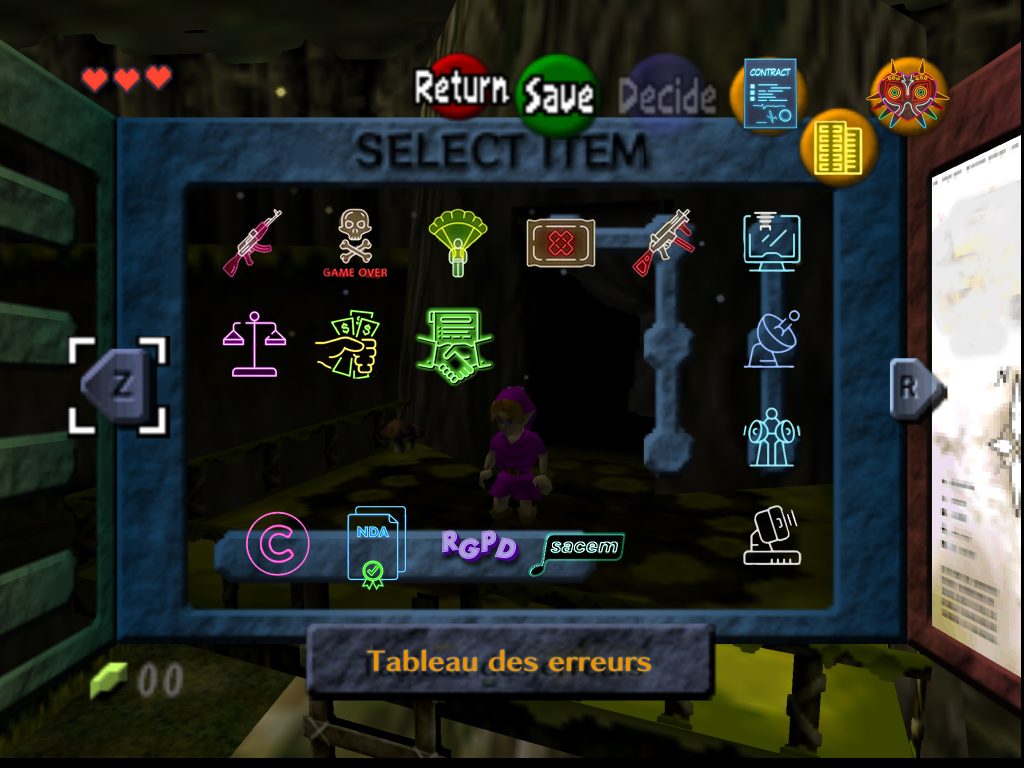
The firm’s new guide for video game studios focuses specifically on common mistakes that could be avoided if addressed sufficiently early in their activities:
- 1. Forgetting the copyright of all game elements ;(
- 2. Calculating and paying royalties for publishing contracts
- 3. Video game studios: Choosing the wrong partners, forgetting the shareholder agreement
- 4. NDAs (Non-Disclosure Agreements) & Confidentiality
- 5. Developing a game: What is the status of workers?
- 6. Developing a game: Negotiating participant compensation
- 7. Music and video games: Beware of copyright and the SACEM (French Trade and Companies Register)
- 8. Late compliance with GDPR and personal data obligations
- 9. Standard templates rather than expert advice: the experience of dozens of clients
- 10. “Work Work”: Preparing nothing but the final product
With its expertise in digital and video game law, the firm assists developers and publishers in securing their projects, particularly in matters of intellectual property, rights assignment contracts, confidentiality agreements, and regulatory compliance.
This practical guide helps studios avoid pitfalls related to copyright management, contract negotiation, partner selection, and personal data protection, to ensure the smooth and long-term exploitation of their creations. With this resource, PCS Avocat offers its experience to professionals to prevent legal risks and optimize the success of their video games.
Forgetting the copyright of all game elements ;(
A video game is legally a complex work, assuming that all of its elements are subject to copyright protection and the provisions of the Intellectual Property Code.
Consequently, any video game studio beginning the development and/or/then exploitation of a video game without having planned and controlled the transfer of copyright of the various participants, whatever their status, exposes the studio to major legal risks.
In the absence of a clear and written assignment, authors—employees, contractors, freelancers, and interns—retain their rights to their creations (code, graphics, music, and scenarios), which can lead to obstacles in the commercial exploitation of the game.
The studio then risks infringement actions, distribution bans, and even claims for damages. This situation can compromise the game’s promotion, hamper partnerships, and jeopardize the studio’s financial sustainability. To fully secure your project, it is therefore essential to include specific copyright assignment clauses in contracts from the outset, benefiting the studio.
Calculating and paying royalties for publishing contracts
Financially, publishers often offer contracts that include full control of financial flows from a foreign country under foreign law. These include numerous formulas that allow them to practically define the amount they would be entitled to remit to you, after a variety of charges and elements that could be detrimental from a financial perspective.
Various charges specific to the publisher allow them to sometimes considerably delay the payment of any royalties to the studio. A discussion on the common concept of “net income,” used to calculate your compensation, is necessary to limit the inclusion of the publisher’s personal or even discretionary costs that would limit the studio’s balance, with, in some cases, prior approval for certain expenses.
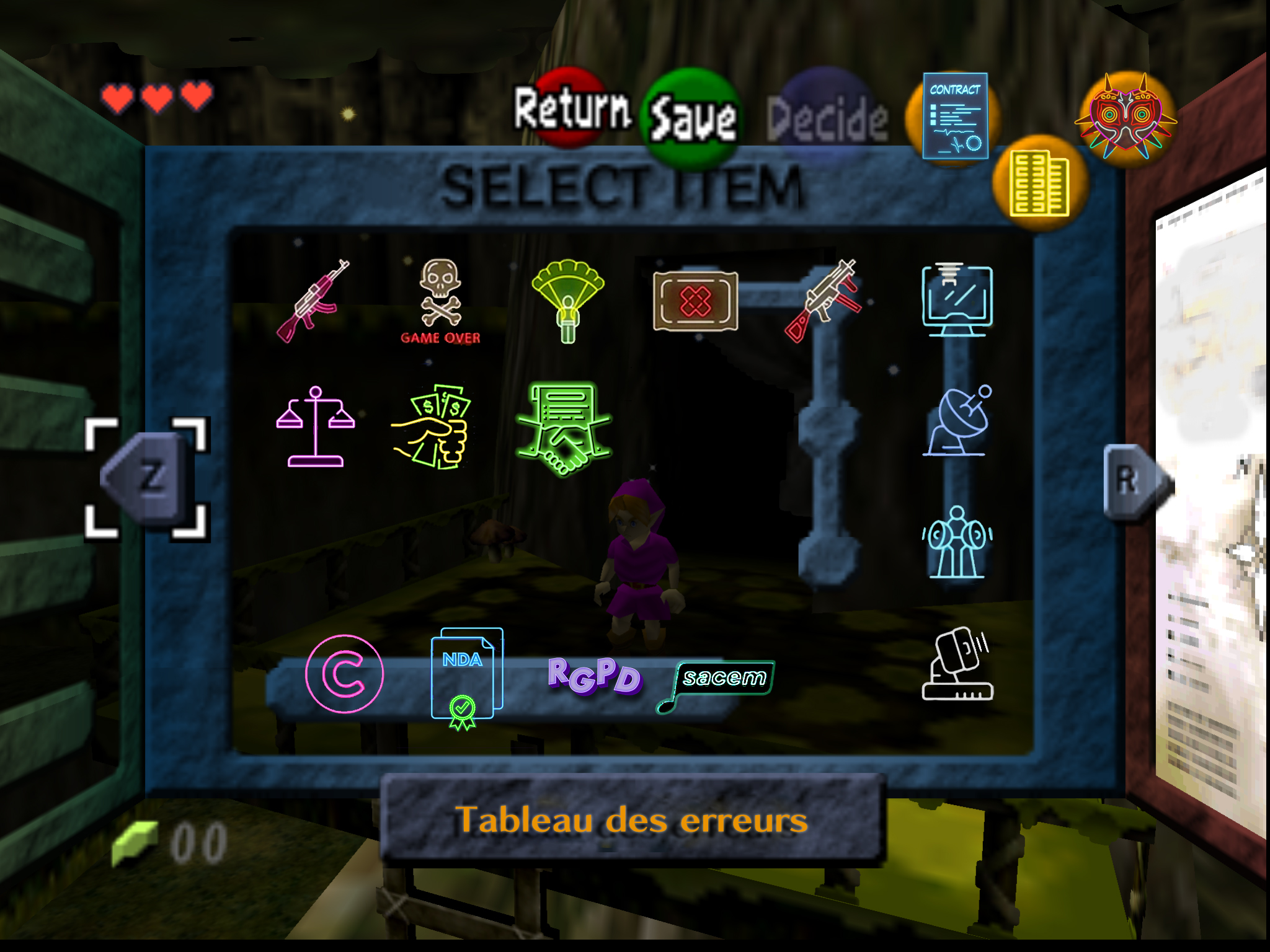
Video game studios: Choosing the wrong partners, forgetting the shareholder agreement
When several professionals join forces to create a video game, this union can take several forms, each with its own advantages. This analysis must be considered in the short term—usually the production of the game—but also in the medium and longer term. A variety of questions then arise, which are nevertheless essential and must be considered as early as possible:
- Will the studio focus solely on developing its own games, or will it provide its specialized services and expertise to partner or competing studios?
- Will the business model require fundraising? If so, how can investors be brought into the studio?
- How will the development of the first game be financed? Will the partners be able to maintain employment contracts elsewhere, or must they focus exclusively on the studio?
- Are the people involved in the project expected to become partners?
Three elements can guide the discussion: What is the project that motivates the potential partners? What do they bring, respectively and cumulatively, to the project in the short, medium, and long term? What are the different possible development and growth scenarios?
The shareholders’ agreement is a complementary document, separate from the bylaws, which aims to frame and clarify the answers to all of these questions. Properly prepared and drafted, they allow partners to work with confidence and to indirectly anticipate a wide variety of situations or difficulties they may encounter during their activities.
NDAs (Non-Disclosure Agreements) & Confidentiality
The game’s pre-production and production periods often require studios to share sensitive information related to their project with investors, potential partners, or technical service providers on whom they depend for the creation of the video game.
The same is true when the studio searches for a publisher, which may require them to present numerous elements of the game or its business model. Presentations and transfers of information must be governed by confidentiality: hence the famous NDA (Non-Disclosure Agreement).
Without an NDA, sensitive information related to game development—such as concepts, source code, designs, or business strategies—has no contractual protection against unauthorized disclosure or use by partners, service providers, or collaborators.
This can lead to the leakage of innovative ideas, the project being copied by competitors, or conflicts that are difficult to prove in court. Furthermore, without written proof of a confidentiality agreement, the studio loses a key lever to assert its rights and obtain compensation in the event of damages.
Poorly prepared or unreviewed agreements will have equally damaging economic consequences:
Loss of exclusive rights and leakage of sensitive information (concepts, source code, game mechanics), copying or misappropriation of the project
Loss of business opportunities due to a deterioration in negotiations with partners, investors, or publishers.
Costs related to litigation.
Damage to reputation

Developing a game: What is the status of workers?
When the development of a video game is led by several people, supervising the work of the teams interested in participating in the project is essential. Indeed, depending on the type of relationship and the individuals’ investment, their status and contract will be profoundly different, with significant economic repercussions.
Partners or service providers. If the individual wishes to be involved on a long-term basis, they can be integrated as a shareholder/partner of the company, implying a clear agreement on their involvement throughout the project and the company’s ongoing activities.
If, on the other hand, the individual only wishes to participate partially or for the duration of a single project, a “labor” contract should be preferred, either in the form of an employment contract or a service contract. The distinction is significant: the former places all employer and social security costs on the company, while the latter allows for much greater and potentially more organizational freedom compatible with the individual’s other activities.
These two options do not preclude the possibility of offering, in addition to compensation, a profit-sharing option in the operation of the game or the company, often in the form of stock warrants.
Volunteering & Internships. If practiced, volunteering is not a viable option, as it is accepted in companies only under very strict conditions and raises intellectual property issues.
Internships can also be considered, which requires a tripartite contract with the involvement of a university, the review of whose clauses must also be carefully verified.

Developing a game: Negotiating participant compensation
When negotiating the compensation of their service providers, video game studios run the risk of committing to excessive costs, particularly when services are billed at a high rate coupled with royalties on game sales or shares in the company. Without a rigorous assessment of the true value of the work provided, these agreements can weigh heavily on the project’s profitability and dilute the studio’s control. It is therefore essential to carefully assess the consideration for any long-term concession, analyze the service provider’s real financial needs, and adopt a balanced approach.
Transparent and strategic negotiations help avoid disproportionate commitments that could compromise the studio’s economic viability and governance. A variety of mechanisms are possible to compensate those involved in the creation of a video game. Too often, studios happy to benefit from external expertise that is important or essential for their game offer shares in the company or royalties on the exploitation of the video game.

Music and video games: Beware of copyright and the SACEM (French Trade and Companies Register)
An important, even essential, element of the majority of contemporary video games, regardless of their media, music benefits from a specific copyright protection regime, independent of that of the software and other elements of the video game. Even when integrated into the game, its use confers copyright on the composer.
However, it is common for studios to neglect any verification or contractual framework for the use of music.
Without a contract providing for the conditions of transfer or license of musical rights, the list of which must be precise and exhaustive, the studio will not hold the rights necessary to exploit the music, and may at any time be subject to infringement actions by the authors or their beneficiaries.
Recent years have seen a growing involvement of SACEM, the collective management society for the majority of French artists, whose consent is required for any exploitation.
Music law disputes are costly and can tie up many resources that would otherwise be usefully focused on more relevant aspects of the studio.
Late compliance with GDPR and personal data obligations
Mandatory regulation affecting all commercial companies, the GDPR or General Data Protection Regulation requires the implementation of a certain number of procedures and documents, failing which civil and criminal sanctions are incurred: processing register, data protection impact analysis, transfer supervision, etc.
The data controller must establish procedures for requesting access to, removal of, or modification of data from data subjects. The controller must also provide them with certain information: the legal basis for processing, the data retention period, the identity of the data controller, etc.
Ensuring compliance for a video game studio upfront is much simpler and therefore less costly than once operations have been launched, or worse, when a request is made by any interested player, authority, or third party.
Compliance checks are systematic, particularly when mobile games are released online via the Apple, Android, and Steam platforms, requiring mandatory documents and answers to a number of questions about these regulations.
In 2022, Voodoo gaming studio was fined €3 million for violating GDPR, particularly regarding the terms of use of player data for advertising purposes.
Standard templates rather than expert advice: the experience of dozens of clients
This advice is straightforward, but all of the points mentioned above can be addressed with professional support. Often overlooked, lawyers with extensive experience in the sector can offer advice reinforced by years of practice and past experience assisting other studios in different or similar situations.
Industry professionals, such as lawyers specializing in digital law, offer major advantages over using contract templates found online or copied from third parties. Indeed, video game law is a complex and constantly evolving field, combining intellectual property, labor law, data protection, and industry-specific regulations.
A lawyer understands these specificities, adapts contracts to your project and your specific situation, and anticipates the legal risks specific to your business. This ensures optimal protection, rigorous legal compliance, and effective prevention of costly litigation—something no generic model can provide.

“Work Work”: Preparing nothing but the final product
The final common mistake of many video game studios is the lack of time devoted to their studio’s preparation and strategy, which always works against them. While most resources are focused on meeting delivery deadlines for the creation of the video game, all the issues related to its operation, user control, and marketing strategies must also be anticipated:
Contracts do not always provide for the assignment of rights for secondary exploitation (derivative products, adaptations), which can lead to future conflicts.
International competition requires a good understanding of copyright differences (particularly the American “work made for hire” system) to avoid a competitive disadvantage.
Indeed, the life of a video game includes several stages, each of which reveals specific issues, the legal treatment of which provides an effective response: pre-production, production, initial and derivative exploitation, updates, etc.
Table of Contents
Often overlooked, video game players have a multitude of rights when it comes to their consumption of video games. Specializing in digital law, the firm has endeavored to provide a summary of these rights.
Understanding these rights is beneficial to players in defending their interests, as well as to game studios and publishers, who can better understand their relationship with their target audience.

Mods, Fangames & Player Creations: Intellectual Property Rights
Warcraft III map editor, Gary’s Mod, Minecraft, etc. These are all games characterized by a high degree of customization of game content by player users.
Legally, certain creations push the boundaries of intellectual property, which is often exclusively reserved for the game publisher. Indeed, subject to compliance with the conditions set out in the Intellectual Property Code, the originality of certain contributions, imbued with the personality of their author, would offer protection for composite works.
Negotiations with publishers for the exploitation of these new forms are likely to take place, often anticipated through the terms and conditions offering the publisher a right of exploitation over all compositions and creations proposed by players. Some have resulted in famous collaborations—the third installment of the Portal franchise, “Mel Stories,” supported by fans with the publisher’s consent—or epic disputes, notably over the ownership of the game Dota and its derivative forms, including League of Legends, DotA 2, Heroes of the Storm, and all other MOBAs.
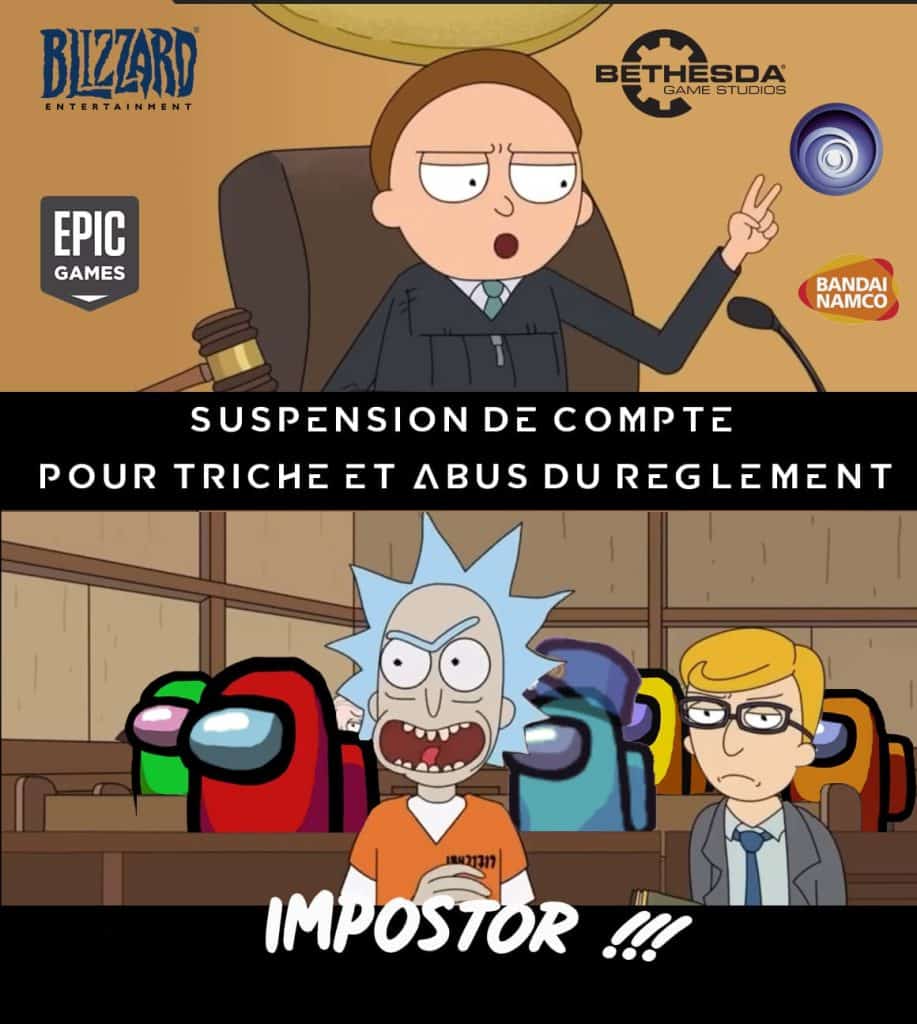
Playing, glitching, cheating: Suspensions, bans, and player exclusion
Whether historically in paper format inside boxes or in digital form when downloading and installing the game or even when launching it, the publisher regulates the use of the game through terms and conditions specifically called “End User License Agreement (EULA)” that the player must accept and, if possible, read.
This contractual framework defines, more or less clearly, the rules of the game as well as prohibited or even punishable practices: cheating, multi-accounting, farming, buying and reselling goods, behavior contrary to public decency, insults in chat, etc.
There is some confusion regarding the terminology used to describe the control of player behavior by publishers, who present themselves as arbiters and judges of practices that may result in fines, penalties, warnings, convictions, etc.
However, these policing measures do not reflect the reality of the relationship between the player and the publisher, which is governed by simple civil and contractual considerations. Therefore, any disproportionate sanction imposed by the publisher on players for their use of the game could be considered an abuse of rights.
More information on these aspects can be found in our dedicated publication.
EULA & unfair terms. However, players are not powerless in the face of such arbitrary control. As consumers of digital products and services, they are protected by the Consumer Code and all related measures. EULA clauses allowing the publisher to terminate the contract without reasonable notice may be unfair. Imprecision in the rules of the game, for example regarding the definition of cheating, possible penalties, and the scope and duration of penalties, may result in legal sanctions against the publisher—decisions have already been made in this regard concerning social media platforms.
Consumer Code. More generally, through the various obligations incumbent on publishers providing services in terms of the obligation to provide honest and fair information, players have the right to uninterrupted use of a product that meets the usual qualities and expectations, particularly in terms of functionality, accessibility, continuity, and support. They can therefore require the publisher to:
- Compliance of a product deemed and documented as faulty or defective;
- The removal or non-application of clauses deemed unfair, in particular the suspension or termination of service without prior notice or without explicit reason;
- Various types of compensation in the form of price reductions or even damages;
- Financial penalties, particularly in the case of practices deemed misleading or illegal;
A very important element is that the Consumer Code places a significant part of the burden of proof on the publisher, who is responsible for proving that its content complies with the law.
Social Networks & Media: Streaming Your Video Game
Twitch, a platform for hosting streaming audiovisual content, has experienced considerable growth in the gaming sector, with streamers broadcasting their video game sessions, commenting on their actions, and interacting with their audience through the integrated chat feature.
The production efforts of certain content creators make them eligible for a form of protection under intellectual property law as composite works, subject nevertheless to prior authorization from the publisher. In order to promote the development of channels, several platforms, including YouTube Gaming and Twitch, have negotiated agreements with numerous publishers to allow the free distribution of in-game content.
In esports, competition communication strategies vary depending on the publisher, with some, such as Riot Games, exercising extensive control over exclusive broadcasting rights for competitions, while others allow all influencers and streamers freedom to broadcast.

Video game competitions: the rights of professional esports players
The practice of esports in video games has given rise to a new professional category: professional esports players. Since 2016, their legal framework has been largely inspired by the rules applicable to athletes: esports players have the status of employees whose paid activity is participation in video game competitions in a relationship of legal subordination to an association or company approved by the Minister for Digital Affairs.
Notwithstanding the rules established by the legislature in the 2016 Digital Republic Act, legal relationships between esports clubs and players can take various forms in practice: internship or volunteer agreements, fixed-term or permanent employment contracts, and service provision contracts.
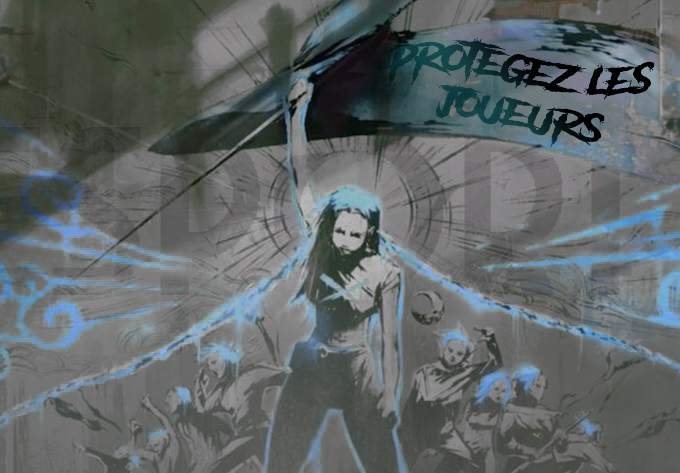
More information on protecting the health of esports players
Other considerations may also be considered:
Privacy and legal identity. As a natural person in the legal sense, professional esports players benefit from rights associated with their person: privacy and image rights, as well as, in a digital context, the right to their personal data. Any violation of any of these rights will allow the player to object to the disclosure of their private life on both civil grounds (Art. 1240 of the Civil Code) and criminal grounds (Art. 226-1 and 226-8 of the Criminal Code), notwithstanding some legal and jurisprudential exceptions related to freedom of expression and public information.
Player avatar. To a lesser extent, it would be possible to seek protection of digital identity, particularly through the player’s avatar in video games. Several video games offer digital creation tools that allow the generation of a personalized avatar, more or less detailed depending on the options offered. Damage to the avatar can jeopardize the player’s reputation and personal investment. The player can thus protect himself from any damage to his digital attributes, particularly in the event of theft of virtual objects, cyber-rape, or damage to his reputation.
Image exploitation. For its exploitation, several types of exploitable images of esports players can be distinguished: the associated, collective, or individual image managed by their esports club; the individual image used personally by the player; and finally, the image during esports competitions.
Finally, it should be noted that there are additional difficulties in using and exploiting their image given the minority status of many of those involved. As with artists, models, or young athletes, additional rules based primarily on parental authorization will apply.
The existence of rights associated with the player’s performances during competitions, as a performing artist, is frequently invoked or debated without serious relevance.

Propriété du jeu et des achats in-game
A hot topic for the past decade, digital property ownership has impacted the video game industry with the gradual dematerialization of content. Following the end of the sale of physical video game media, players’ rights to purchased video games and their in-game content have been challenged by European case law on the matter.
The current legal framework severely limits players’ ownership, restricting them to a simple user license that can be transferred and revoked at any time by publishers. In a well-known dispute between the Steam platform and the UFC Que Choisir consumer association, recent case law, notably the ruling of the Paris Court of Appeal of October 21, 2022, confirmed that users cannot resell their digital games or associated accounts due to the lack of exhaustion of copyright for digital copies, thus protecting publishers from the digital second-hand market.
This position also extends to in-game content (virtual objects, skins, etc.), the general conditions of the platforms prohibiting any purchase or resale of these goods except in very rare exceptions in the case of NFTs or through a goods exchange platform owned by the game publisher.
Find our legal publication detailing these issues
Reserved for “D” answer
Video games, as a mass media, innovative technology sector, and audiovisual creation tool, raise major legal issues in terms of liability, intellectual property, protection of minors, regulation of use, and combating misinformation.
The absence of a unified legal framework requires increased contractual and regulatory vigilance for all players in the sector in the face of misuse.
A. Video games, an unregulated mass media
Like the internet, video games now enable communication and the formation of online communities that transcend cultural boundaries, bringing with them a whole ecosystem of third-party chat apps, influencers, specialist websites, dedicated forums, and more.
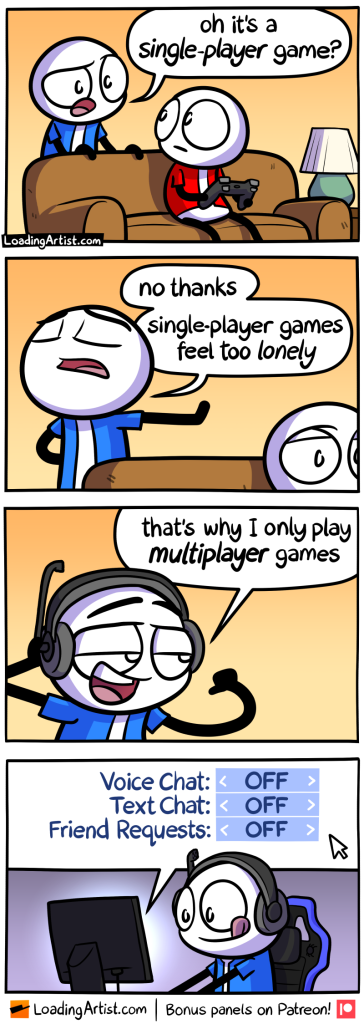
Video games: powerful communication tools
An important element of online multiplayer video games, the capabilities and tools designed to improve communication between players have undergone specific developments. Constantly optimized, several titles now include communication tools that are either directly integrated into the game or linked to its ecosystem through compatible third-party applications such as Discord, Teamspeak, Skype, etc.
Legally, certain video games can therefore be legally classified as online public communication services or even genuine social networks if they allow their player users to create, share, or interact via content (text, sound, images, videos). This is the case for Fortnite, Roblox, Minecraft, and Call of Duty, which include voice chat and direct messaging. A similar argument can be made for games with integrated forums, community chat rooms, or content sharing systems.
These communication tools raise considerable liability issues for publishers, who are subject to the same obligations as social networks and content hosting platforms. The power of federation and emulation revealed by this new type of mass media makes it an important vehicle for the circulation of information, but its lack of regulation opens the door to serious abuses. The use of third-party services (Discord, Teamspeak) adds a layer of legal complexity, particularly with regard to the issue of moderation and the sharing of responsibility between publishers and service providers.
Several examples of the use of video games and their communication tools by terrorist groups have been noted since the 2010s. Amniyat, the intelligence service of the jihadist organization Islamic State, and its branch responsible for clandestine operations, have used messaging and voice communication tools in online video games to communicate with their operators.
Recent years have also been marked by several scandals involving confidential or classified information being revealed on video game forums, unintentionally sparked by the passion and involvement of players.
Video games: tools for illicit propaganda
Video games have also become a major geopolitical influence and a sophisticated propaganda tool. Several examples illustrate this growing instrumentalization. In 2003, Hezbollah’s Central Internet Bureau developed “Special Force,” a game that puts players in the shoes of a Hezbollah fighter battling the Israeli army. This game, described as a “resistance wargame,” recreates real battles from the conflict in southern Lebanon and glorifies “martyrs” through virtual certificates signed by Hassan Nasrallah.
This model has inspired other groups, notably ISIS, which has produced recruitment videos modeled on the aesthetics of franchises such as Call of Duty in order to target a young male audience.
In addition, China wields unprecedented influence over the global gaming ecosystem through giants such as Tencent, owner of Riot Games and Epic Games, and shareholder in Discord. This strategic position raises concerns about the possible exploitation of video games for intelligence purposes. Indeed, access to players’ behavioral data, collected in particular via integrated chats or associated platforms such as Discord or WeChat, could be used for surveillance purposes. At the same time, certain games labeled as “soft power,” such as Honor of Kings, convey a Sinocentric view of history and values, thus contributing to a subtle narrative normalization.
In the Western world, video game blockbusters are not lagging behind in this war of narratives. Licenses such as Call of Duty and Battlefield systematically heroize Western armies, reducing conflicts to a Manichean opposition between “good guys” and “terrorists.” These games also collaborate with arms manufacturers: in 2009, Remington signed a partnership with Activision to integrate its ACR rifle into Modern Warfare 2, in an effort to build loyalty among the next generation of consumers. Furthermore, war is trivialized through simplified representations of its consequences, transforming the act of killing into a thrilling, aestheticized, and visually harmless experience, which implicitly legitimizes violence.
Faced with these abuses, regulators are struggling to impose an effective framework. The legislative uncertainty surrounding the moderation of political content in online games, technological dependence on publishers for access to moderation algorithms and data traceability, and sovereignty issues related to the hegemony of a few major players such as Tencent, Microsoft, and Sony complicate the implementation of robust control mechanisms. This instrumentalization of video games heralds a new era of conflict in which cultural influence and data control are becoming weapons as decisive as conventional arsenals.
Absence of specific legal framework for video games
Video games, although works of the mind, do not benefit from their own legal regime and remain subject to a scattered set of rules: intellectual property, criminal law, consumer law, etc.
As a reminder, video games suffer from a lack of a rigorous legal definition, justified by their constant evolution and increasing complexity. Going beyond a simple classification as software, the vast majority of video game titles developed today also incorporate elements as varied as scenarios, original music, images and voices of professional actors, animated montages or segments of audiovisual works, online communication tools, etc.
Legal disputes have encouraged case law to carry out this gradual process of identifying and classifying video games. The recognition of their status as intellectual works, protectable by copyright subject to eligibility conditions, has transformed the understanding of video games, evolving over several years towards a unitary conception of software.
In 2009, the Court of Cassation rejected this position in favor of a new classification of video games: “a complex work,” in other words, “a creation in which different types of works coexist.” The following are therefore eligible for copyright protection and subject to the various applicable rules: gameplay, level design and other game mechanics, stories, scenarios, dialogues, music, sound effects and voices, character and set images, animations, interfaces, audiovisual content menus[1], names and logos, databases, software elements, graphics engines, and source codes.
Editorial responsibility: the technical and legal response
This lack of a specific framework makes it difficult to manage illegal or harmful content, particularly in terms of propaganda, hate speech, and misinformation. In recent years, there has been a steady increase in the legal and regulatory provisions applicable in this area: the 2004 LCEN framework has now been supplemented by European standards on personal data (GDPR) and platform control obligations (Digital Services Act – DSA).
Only a response combining technical and legal elements appears adequate today. It must be formalized through a combination of elements, similar in this respect to the cybersecurity sector.
The following can therefore be considered cumulatively:
- Technical and/or automated moderation systems. The large number of players has prompted studios to deploy a variety of tools that integrate content filters and banned words via evolving dictionaries, detection of suspicious behavior (spam, harassment, grooming) through interaction analysis, access restrictions through geo-blocking, and age verification.
Many publishers are now optimizing their models using artificial intelligence tools to analyze text, images, and even voice exchanges in real time with lexical filters tailored to the specific characteristics of gaming communities and any jargon associated with certain video game titles.
- Disciplinary control by the publisher. With the help of various contractual documents—end user license agreements (EULAs), ethical codes of conduct, best practices, etc.—publishers can use human resources to control user access, with any breach of obligations subject to temporary or permanent suspension of accounts and their content, in an extrajudicial, immediate, and discretionary manner.
Drafting clauses that give game publishers disciplinary control is a delicate task, as there is a risk that such clauses could be reclassified as unfair terms under the Consumer Code. Read more about our work in this area.
- In-game tools for reporting illegal content. Extension of the legal obligations incumbent on content hosts (provisions of Articles 6 et seq. of the Law on Confidence in the Digital Economy). Similar to social media platforms, several online gaming interfaces now include direct reporting mechanisms for illegal content, which can be supplemented with technical evidence (screenshots, chat logs, audio recordings). Failure to moderate reported content within a reasonable time frame could result in civil and criminal liability for publishers.
- Pooling of resources between private and public actors. Under contractual partnerships, several studios or publishers can offer tools to combat toxic behavior and content, particularly through blacklisting systems. These initiatives can be carried out in conjunction with public or private institutions to detect extreme content relating to areas such as terrorism and radicalization, organized crime, and child sexual abuse.
However, these tools must be chosen with caution and with the assistance of specialized lawyers, given the need to reconcile the means employed with compliance with regulatory standards on privacy and personal data protection (GDPR) and the jurisdictional issues arising from the fact that the servers for most video games are hosted outside the European Union.
Another distinctive feature of the video game sector is that each online game has its own servers, which vary depending on the type of hardware. Each game may have its own internal communication system using different computer languages, making it very difficult for regulatory bodies to monitor and quickly access the accounts and discussions of all online games.
Translated with DeepL.com (free version)

Video games, protection of underage players, and the PEGI system
The law provides for restrictions on the sale and distribution of video games to minors, particularly those containing violent or pornographic content or content that undermines human dignity.
PEGI system. Video game publishers are legally required to provide consumers with information—primarily medical warnings—and to regulate the content of video games in order to protect minors. Failure to do so is punishable by law. It is common for EULAs to be particularly detailed in their description of the product and its conditions of use in order to better limit the publisher’s liability in situations not covered by the latter.
In this context, combining the obligation to provide information and the protection of minors, video game publishers quickly adopted a pan-European video game classification system developed in 2003, based on age categories and specifying certain content offered in video games. Standardizing existing historical systems, it was legally integrated into the French regulatory framework, which provides for criminal penalties of one year and a fine of €15,000 in the event of the provision, display, and advertising to minors of video games containing certain types of content.
A North American classification system called the “ESRB – Entertainment Software Rating Board” uses criteria based on age and content to classify video games. It should be noted that this classification is not legally binding in the United States.
Translated with DeepL.com (free version)

B. Video games: a sector rich in reusable hardware and software
The video game industry is characterized by technical and technological innovation that the rest of society has been able to take advantage of. At a time when the world is embracing artificial intelligence tools, it is clear that their effectiveness relies on the power of these processors and graphics cards, designed and improved by the video game industry.

Controllers and accessories. In fact, there are many examples of inspiration or use of video game hardware and accessories: controllers and control adapters are used in aviation for drones and remote-controlled devices, and Kinect accessories have been deployed as three-dimensional scanning tools. In the military sphere, Valve’s Steam Deck console has been repurposed by the Ukrainian army as a controller for its turrets: its easily modifiable operating system, minimal weight, high computing power, wide range of controls on the controller, and attractive price, which is lower than that of military controllers with the same characteristics, have made it a leading technological tool.
From a legal standpoint, hardware innovations (controllers, virtual reality devices) and software innovations (simulation engines, AI) are protected by intellectual property rights—patents, copyrights, trademarks, etc.—whose reuse in other sectors (health, training, industry) would require the negotiation of appropriate licenses.
The use of gaming peripherals or software in sensitive contexts (drone control, medical devices) raises the question of liability in the event of failure or misuse. Contractual clauses must anticipate these risks.
Translated with DeepL.com (free version)

Video games: professional simulation tools
Long confined to the realm of leisure, video games are now also establishing themselves as a particularly effective constructive simulation tool, used in a variety of professional contexts, ranging from military training and race car driver training to fire management, medical preparation, and team coordination training in crisis situations.
Several forms of simulation can be used:
- Virtual simulation using conventional computer tools or dedicated simulation tools, providing a more immersive scenario and greater physical engagement for trainees;
- Instrumented simulation in which the people, equipment, and environment are real; only the effects of weapons are simulated;
- Augmented simulation, in virtual reality or even through metaverses, offering an enhanced immersive and interactive experience, allowing users to be projected into the heart of complex situations, in highly customizable environments, sometimes interconnected remotely;
- Finally, the use of video games as they are for training purposes, favored by reduced training costs, discretion regarding the necessary infrastructure, multiple functionalities, and the unique ergonomics of its peripherals.
Find a more detailed presentation of the types of simulations in the latest issue of Cf2R.
Ownership of rights to the technologies developed depends on the contractual framework between the various parties involved (developers, publishers, service providers). It is essential to draw up specific rights transfer agreements to secure the secondary exploitation of innovations.
C. Video games: a software tool for creating hyperrealistic audiovisual content
The surprising realism of certain video games, mainly simulation games coupled with contemporary recording software, has facilitated the rise of audiovisual content derived from video games for humorous or political purposes.
Mods and misinformation. Content created from video games (clips, machinimas, deepfakes) can be used to spread false information, particularly in the context of war or propaganda. These additions to the game, whether official or unofficial, in the form of mods, add-ons, DLC, or other forms, provide a wide range of ready-to-use 3D models representing equipment and environments that can be displayed and used for disinformation purposes. In the latest developments in the Israeli-Palestinian conflict, several posts on social media of video game footage from the hyper-realistic war simulation games “Arma III” and “Digital Combat Simulator” have distorted the reality of the fighting. At the start of the war in Ukraine, a fighter pilot known as “Ghost of Kyiv,” famous for videos showing him destroying several Russian aircraft in flight, turned out to be a real clip from the video game, whose image quality had been deliberately reduced to make it look more credible.
In such circumstances, the publisher’s liability would normally appear to be limited. However, proof of negligence or a lack of vigilance with regard to the unauthorized use of content from its video game could render it liable under civil and criminal law.
Mods and intellectual property. Publishers’ tolerance or acceptance of players’ edited and customized content also raises several legal issues, particularly regarding the copyright of these derivative works. In summary, when these creations are eligible for protection under intellectual property law, they can be classified as composite works that can only be used with the publisher’s permission, which is generally governed by particularly protective end-user license agreements (EULAs). Failure to obtain permission may result in prosecution for copyright infringement. See our publications detailing these aspects.
D. Video games and monetization systems: an infestable economic sector
Video gaming, initially purely recreational, is transforming into a regulated economic activity. In this context, practices and risks associated with gambling are emerging, including the risk of addiction, cheating, fraud, and money laundering.
Video games and money laundering. On this last point, certain video game operations have also provided a means of financing through money laundering activities, in particular through the purchase/resale of dematerialized games, virtual objects, and even NFTs within the game, through the use of virtual currencies or even cryptocurrencies, through the remuneration of influencers, or through the sale of virtual items or even NFTs within the game. reselling dematerialized games, virtual objects, and even NFTs within the game, through the use of virtual currencies and even cryptocurrencies, through the remuneration of influencers or video games with the purchase of subscriptions or virtual gifts, or even through the direct sale of pirated copies of games.
This distortion of the use of video game monetization systems has legal repercussions, prompting the French Ministry of Finance to take an interest in the financial ecosystem of video games.
In 2019, Valve, publisher of the game CS:GO, was forced to temporarily disable skin trading in certain countries after links to illegal gambling networks were discovered.
Faced with the purchase of V-Bucks and Robux via stolen credit cards, Epic Games and Roblox have strengthened their systems for detecting suspicious purchases, working with authorities to prosecute illegal resellers.
The European Directive of May 30, 2018, on combating money laundering recently reiterated this point, stating that “Although virtual currencies can often be used as a means of payment, they could also be used for other purposes and find wider applications, such as serving as a medium of exchange, investment instruments, stores of value, or being used in online casinos.”
Esports and money laundering risks. In 2016, lawmakers anticipated the risks associated with the rise of video game competitions and the risk that the continued organization of online competitions could become a new channel for money laundering, similar to casino platforms.
As a precautionary measure, the rules applicable to the organization of esports competitions were incorporated into the Internal Security Code in Articles L321-8 et seq. Approved and declared competitions require the physical presence of players in order to consider the possibility of winnings or cash prizes, which are also regulated. This is specifically to prevent the risk of money laundering mechanisms through exclusively online competitions. The text also specifies that the possibility of organizing such competitions does not include “taking bets,” which remain subject to the prohibition on lotteries..
The video game industry continues to grow, driven by new challenges related to rising development costs, the difficulty of retaining talent, and the (continued) growth in the number of players.
New generative artificial intelligence tools are proving to be attractive assets to support this transition, exploitable at different stages of a video game’s life cycle: during its development, operation and deployment, maintenance, etc. Generative AI will thus bring significant benefits to studios, publishers, gamers, and their partners.
However, their use must remain cautious in view of the diversity of legal issues and risks involved in a wide range of areas, including information security, advertising regulations, intellectual property rights, GDPR, etc.
Support from specialist lawyers in all these areas ensures reliability, professionalism, and security for the successful development of studios.
Developing a video game with generative intelligence tools
Assistance with content creation within video games is commonplace in the industry. In addition to the services of providers specializing in specific content—game design, monetization, sound effects, music, etc.—some publishers encourage the creation of specific content generated by the players themselves.
The vast majority of video game studios now use specific game engines to support the content they develop—Unreal Engine, Unity—which has led to the creation of an intermediate market for providing assets and other content to studios.
In the same vein, the use of generative artificial intelligence tools by developers and creators can significantly speed up their work: Preparation and writing of stories and non-playable characters (NPCs), creation and even customization of game assets (maps, environments, characters, items), assistance in writing dialogues and in-game text content, addition and composition of music, translation of text and audio content into different languages, etc.
A growing range of AI-based support tools is being developed by companies specializing in asset creation.
Assets, AI-generated content & intellectual property
The conditions for exploiting these assets and content generated by artificial intelligence require studios to give serious consideration to the future exploitation of their games in terms of intellectual property.
License agreements. Strict contractual frameworks guaranteeing favorable licensing terms for the assets recovered, as well as vigilance with regard to the general terms and conditions of the AI tools used, will ensure the smooth commercial exploitation of the video games developed. Contracts between video game developers and AI providers must include specific clauses on liability and indemnification.
The implementation of a strategy for using these tools, documentation of creations, and legal verification and safeguards for their exploitation are important in limiting conflicts over ownership of rights and lawsuits for copyright infringement and unfair competition.
AI training & copyright. The recent release of the video game “Palworld,” which has been accused of infringing on the “Pokemon” franchise through its extensive use of artificial intelligence tools, is currently the subject of legal proceedings concerning the conditions for training AI models using existing works (images, texts, music) protected by copyright.
Commercial exploitation of video games and artificial intelligence
Artificial intelligence tools can also help studios manage player communities in various ways:
Moderation. Moderation of user-generated content, forums, and social networks. AI can consolidate existing chatbots, enabling them to respond more accurately to players’ questions about the game, its availability, features, etc.
Bug tracking. In addition, AI can identify and address frequently reported bugs and technical issues by gathering player feedback. This responsiveness improves the user experience and limits occasional frustrations during video game launches.
Player control: cheating & abuse
A crucial issue for studios, the monitoring of abusive practices and other forms of cheating ensures that all players enjoy an unaltered gaming experience. Given the considerable number of players and the difficulty of identifying these practices, the assistance of an AI tool would help to limit cheating in various ways:
By analyzing player behavior in real time to detect anomalies (aimbot, wallhack) or the use of automated scripts.
By monitoring the integrity of game files and detecting suspicious third-party software or code injections.
For multiplayer games, by identifying unfair collaborative behavior, such as boosting or exploiting vulnerabilities.
By isolating cheaters in separate games or disabling certain features that are being exploited illegally, thereby reducing their impact—Shadowban.
Under human supervision, by automating warning or penalty processes.
However, it is important for studios to be extremely vigilant in supervising procedures for monitoring player behavior, particularly with regard to cheating. Indeed, “disciplinary” measures against players are likely to result in legal disputes.
Our dedicated article on player bans and sanctions
Market research: Financial analysis boosted by AI
Financially, the AI-accelerated study of historical data and market trends associated with the specific features of the game being launched facilitates possible adjustments to advertising strategies, potential stock levels for physical versions of published games, the organization of dedicated events in geographical areas identified as promising, etc.
Legally, it is important to ensure that data transmitted to AI tools is protected, particularly when it is subject to licensing. In such a context, identifying the responsibility of each party in the event of malfunction or erroneous data retrieval are points that need to be anticipated.
For example, uncontrolled geographical analysis by AI could lead to an excessive concentration of marketing or commercial resources in specific areas without real added value for the studio, resulting in practices perceived as discriminatory towards other markets. Furthermore, if AI uses exclusive data to create an unfair advantage over competitors, this could lead to investigations into anti-competitive practices, particularly in highly regulated markets.
Content generated in response to player reactions. In terms of marketing, AI can also contribute to a better player retention strategy by creating additional dedicated content such as contests, social media posts, and streaming platform content tailored to initial audience reactions: graphics, promotional messages, or “first impression,” “gameplay,” or “best-of” videos.
Artificial intelligence and marketing: a complex tool for studios
Several studies published in 2024 attest to the growing share of publishers’ budgets devoted to marketing and advertising video game content. While more than 25% of their revenues are invested in marketing campaigns to reach a variety of target audiences, marketing strategies often struggle to be profitable.
In fact, campaigns for major titles—AAA games or certain particularly popular mobile games—require massive advertising budgets, particularly through social media, which can include a variety of formats: commercials, sponsored content, partnerships with influencers, etc.
With more than 14,000 titles released in 2023, these advertising campaigns are carried out in an extremely competitive market, particularly on mobile, with players being oversaturated. Especially for newly launched games, studios and publishers do not have accurate information to identify player expectations and segment their audience.
Other factors must also be taken into account: the disorganization of promotional campaigns with game development cycles, the neglect or underestimation of feedback from communities and influencers on released titles, exaggerated or even misleading promises about game content, and the failure to adapt content to regional and cultural trends among audiences.
To be effective, marketing campaigns require targeted advertising, a strategic distribution channel policy, and structural consistency between the resources dedicated to game development, promotion, and post-production.
AI Law: Optimizing Marketing Campaigns with AI
In this context, artificial intelligence and data-driven analytics improve marketing effectiveness by optimizing campaigns and strengthening player engagement.
First, AI tools can support and simplify the creation of text and images for digital ads, as well as ensure quality control over the content generated. In a structured and automatic way, AI can also dynamically adapt advertising content to different platforms—YouTube, TikTok, Facebook, etc.—and target audiences, saving time and improving campaign relevance and engagement rates.
By analyzing data such as player preferences, gaming history, and social media interactions, AI can create ads tailored to each demographic segment. For example, a gameplay trailer highlighting the competitive aspect of the game could be shown to esports players, while a story-focused version could be aimed at a narrative-driven audience. In real time, AI can also adjust campaigns based on performance (clicks, downloads) to maximize their impact.
It is also possible to speed up the process of assigning tags and metadata when deploying campaigns. Thanks to models trained on huge databases, AI tools can identify the keywords and descriptions most likely to attract players’ attention and improve search engine optimization.
This process maximizes the visibility of ads on search engines and in app stores. By centralizing and automating these tasks, game publishers can significantly reduce costs and redirect substantial portions of their budgets to game development.

Legal issues related to AI in marketing
The use of AI in marketing campaigns raises important legal questions, particularly with regard to intellectual property. AI-generated content, such as text, images, or videos, poses problems in terms of its legal status.
While the majority of court decisions do not currently recognize AI-generated content as works of art, the issue of managing the rights to content reworked by teams using these tools requires a precise contractual framework. Otherwise, studios run a serious risk of complex and costly litigation.
AI marketing, video games & personal data
The processing of player data collected by AI as part of marketing campaigns to personalize advertisements and predict behavior raises the thorny issue of GDPR and data protection compliance.
AI automation of data collection and analysis tools can be considered for campaign forecasting, automated testing, and measurement of key performance indicators (capture rate, click-through rate). However, this indirectly involves the collection and processing of massive amounts of user data, some of which will be legally classified as personal data and subject to applicable regulations.
When dealing with international audiences, the issue of personal data processing becomes more complex, particularly in countries subject to legislation that differs from that of the European Union. The North American and Chinese markets require particular vigilance in this area.
Failure to comply with these rules could result in significant financial penalties and considerable damage to the image of user players. Studios will need to put robust frameworks in place to ensure that data is collected and processed in an ethical manner and in accordance with applicable laws.
The evolution of the video game industry has definitively shifted its status from a niche product for a limited audience to a mainstream entertainment product consumed in various forms by the majority of the population.
Economically, the video game sector has operated and taken advantage of new economic mechanisms to offer products and services, particularly remotely, with the rise of free models and microtransactions.
Appearing in the 2010s, the term “dark pattern” has become established in the digital interface design sector to denounce manipulative practices derived from behavioral economics (neuromarketing).
Unlike “nudges”—processes or mechanisms that guide an individual’s decision-making without coercion and in their best interests—dark patterns are characterized by mechanisms that work to the detriment of consumers.
While the latter promote the economy, the former raise concerns about consumer protection, leading in some cases to legal sanctions.
Epic Games, publisher of the video game “Fortnite,” has recently been the subject of several lawsuits, accused of manipulating players into making purchases, sometimes in an abusive manner.
Dark patterns: Interfaces designed to manipulate, influence, and unsettle consumers
The legal classification of sales interfaces offering services designed to deceive or manipulate users/consumers/players involves distinguishing between several categories:
1. Platforms that manipulate consumer attention or preferences;
2. Platforms that limit consumer capacity for action;
3. Platforms that manipulate desirability, in particular by creating a sense of urgency to purchase/subscribe to the service.
Beyond these presentations, case-by-case analysis of practices reveals greater difficulty in identifying and qualifying these dark pattern practices, given the wide variety of mechanisms that can be used: complex and confusing language, emotional manipulation, false hierarchy of elements, interface interference, preselection, forced actions, and even harassment.
When asked about this issue, the Council of State validated the compliance of a cookie banner system that required either a purchase or a change of mind in the event of an initial refusal to accept data collection in order to access a website.
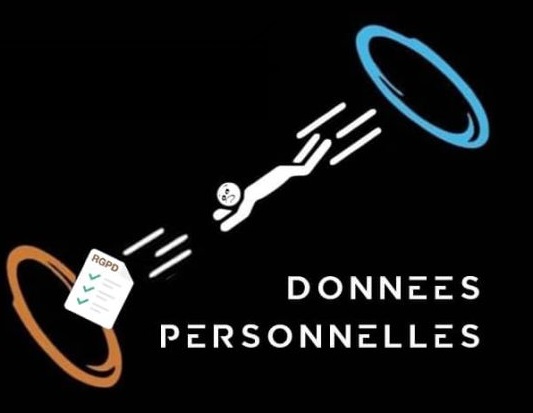
In a humorous way, an influencer denounced the dark pattern system used for unsubscribing from services:
Dark patterns & video games
Guided by new economic models for video game exploitation, particularly the monetization of content, several players now recognize that certain video games are closer to being a service than a product.
This position therefore justifies a consumption approach based not on sales but on a license to use the content. In this context, mechanisms aimed at extending the life cycle of video games have multiplied, with practices designed to retain players.
A considerable number of video game behaviors and mechanisms can be viewed through the prism of behavioral manipulation in gaming:
Time-based dark patterns with dedicated playtime, daily or recurring rewards, repetitive actions, forced advertising, infinite levels, imposed downtime, or the inability to save or pause.
Money-based dark patterns with mechanisms such as “pay to skip,” intermediary virtual currencies, play-to-win, artificial temporary offers, accidental purchases, recurring fees or bets/loot boxes, “power creep” and devaluation of in-game content purchases, pay walls, aversion to waste, and anchoring tricks.
Social-based dark patterns with social pyramids (inviting friends for benefits, requiring players to play at the same time as others), spamming contacts, reciprocity, promoting antisocial behavior, fear of missing out, competition between players, etc.
Dark psychological patterns incorporating elements such as the valuation of your account (time, money, trophies, etc.), badges and progress curves, collectibles, false information (illusion of performance), random rewards, aesthetic manipulations, frequency bias, etc.
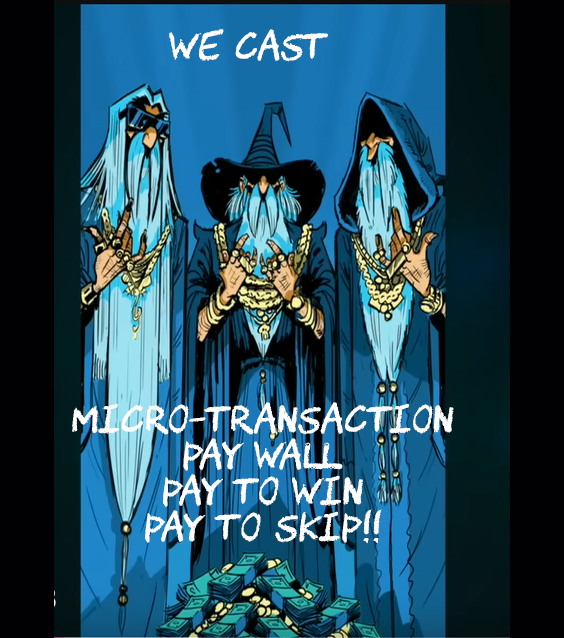
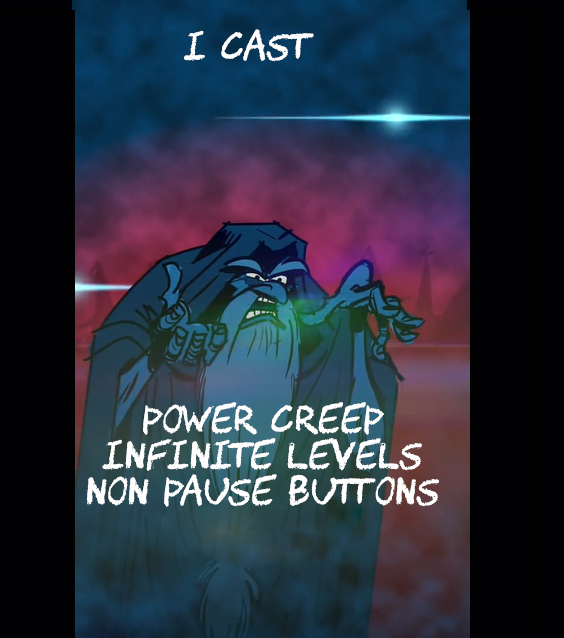
Game Monetization and Aggressive Business Practices: A Balance to Be Found for Publishers
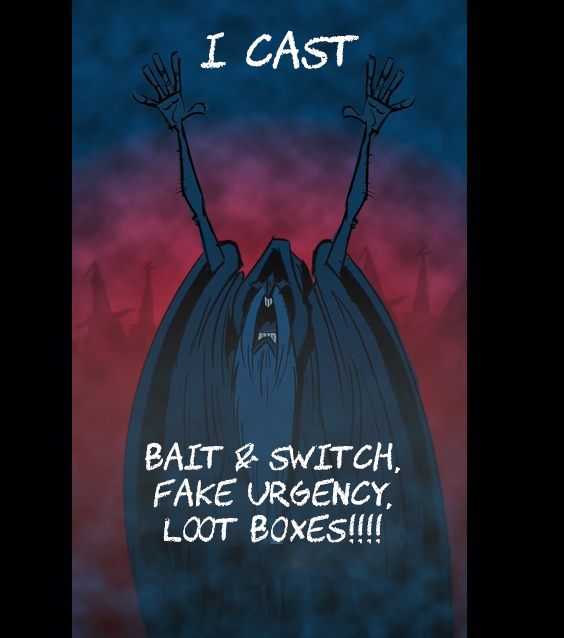
In the mobile gaming industry, it’s common to see “bait and switch” mechanisms in certain video game titles. These involve hijacking an interface action, resulting in an unintended outcome. In this case, a validation rather than a cancellation, an order confirmation instead of a simple cart check, etc. The underlying idea is to use psychological conditioning via a visual habit, such as a particular color or a specific location.
The same is true of “Fake Urgency” mechanisms, which incorporate countdowns, alarming warnings about the upcoming unavailability of certain content, and special offers with vague deadlines, with the aim of accelerating the conversion of a cart into a purchase.
Collectible content is also widespread in some games, capitalizing on the anxiety of missing out. Access to them is often linked to time-limited events and requires players to log back in regularly.
NFTs & Loot Boxes: Forms of Dark Patterns Sanctioned Around the World
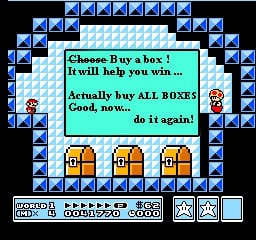
Appearing in the 2010s, virtual loot boxes/chests called “Loot Boxes” offer players, upon payment of a sum of money, an advantage, generally virtual items, presented in the form of bonus packs, offering the player a random improvement in the game: new cards, characters, objects, game mechanics, etc.
The similarity between loot boxes and gambling has led several states to regulate or sanction these methods of purchasing virtual goods.
In France, the National Gaming Authority has proposed three criteria for categorizing loot boxes based on the existence of payments for access, the random prize, and the possibility of reselling winnings for real currency.
Dynamic pricing: personalized prices for players
The concept refers to economic and marketing strategies for adapting prices based on supply and demand. Theorized for energy supply and then extended to the aviation sector, this format has particularly developed through online sales and e-commerce. These new pricing methods are expected to intensify with the integration of artificial intelligence tools.
The economic benefits for companies are significant: instant price updates and flexibility, cost reduction, increased customer satisfaction, etc.
The dynamic pricing system can integrate consumer/internet user analysis tools to adapt offers based on various criteria: online behavior, geographic location, socio-demographic profile, etc. While the desired balance between a customer’s demand and the offer of a price close to their expectations is precise, the risk of abusive manipulation of the latter through forms of dark patterns or manipulative processes carries legal consequences.
Digital Service Act & Banning Dark Patterns
The recent Digital Services Act, which came into force on February 17, 2024, has incorporated the risks associated with these practices, formally prohibiting the design, organization, and operation of online interfaces intended to deceive or manipulate consumers “by impairing or compromising their autonomy, decision-making capacity, or choices” (Art. 25, DSA).
This legislation targets not only the sincere and fair information provided to consumers, but also the interactive device that enhances it, raising questions about the difficulty of identifying them and measuring their effects. Consumer associations have noted, to date, their ineffectiveness in analyzing and addressing the correlations between the services offered and the proposed prices, which are constantly adjusted by the platforms.
This regulation is part of the Digital Market Act, in line with the General Data Protection Regulation (GDPR), which guides better protection of Internet users and consumers against abuses observed in the practices of digital services and service design methods that have been diverted to the detriment of users.

Epic Games: a studio repeatedly convicted of unfair practices
On May 14, 2024, the Dutch Authority for Consumers and Markets (ACM) fined Epic Games more than €1 million for unfair commercial practices.
Guided by the protection of particularly vulnerable consumers—underage children—the ACM ruled that the offers of certain in-game content appeared unfair and contrary to professional diligence. Indeed, pushing minors to purchase by playing on the rarity of an item, timers that pressured minors, and the ubiquitous “buy the battle pass” buttons were interpreted as encouraging consumers to make impulse purchases.
At the end of 2023, Epic Games was also fined by the Federal Trade Commission (FTC) as part of its anti-dark patterns policy, pursuant to Section 5(a) of the FTC Act, which prohibits unfair or deceptive practices.
The Federal Trade Commission has finalized an order requiring the maker of the video game Fortnite to pay consumers $245 million to settle allegations that the company used rigged interfaces to trick players into making unwanted purchases and let children rack up unauthorized charges without any parental involvement.

Dark Patterns in Fortnite: Protecting Child Consumers
In its report on “dark patterns,” the FTC identified four particularly widespread and problematic categories: consumer deception and disguised advertising, making cancellation difficult, concealing key terms and hidden costs, and tricking consumers into providing more personal data.
Regarding the game Fortnite, the FTC found that:
- Purchase could result from a simple key press used to wake up from sleep mode or a key adjacent to the confirm key when viewing a virtual item.
- Fortnite’s counterintuitive, inconsistent, and confusing button layouts could have resulted in hundreds of millions of dollars in unauthorized charges from consumers.Epic Games suspended the accounts of players complaining about transactions due to fraud.
Until 2018, the Fortnite interface allowed players, including minors, to purchase virtual currencies to subscribe to in-game content without the consent of the owners of the payment methods.
In response to disputes over unauthorized charges, Epic locked the accounts of the players concerned or warned of discretionary sanctions—temporary or permanent bans—if they received a new dispute.
- Options for canceling purchases and requesting refunds were difficult to access.
[1] Article L. 121-1 paragraph 3 of the French Consumer Code
[2] Protecting players and encouraging growth in the video game sector | News | European Parliament (europa.eu) – European Parliament resolution of 18 January 2023
Table of Contents
As noted by all seasoned professionals in the sector, the preparation of a video game is a crucial step and a determining factor in the project’s success. Beyond its artistic and innovative aspects, defining the technical concept and its commercial exploitation are mandatory elements for structuring and financing its development.
Updated September 2024. In its report “Expenditure Review: Support for Businesses,” the French Inspectorate General of Finance recently proposed the elimination of the tax credit for video game development companies. In place since 2008, the scheme offered a tax credit rate of 30% of the production costs of a new video game, subject in particular to development costs exceeding €100,000, for exploitation near publication by a majority French entity that has received dual CNC approval.
Noting the lack of evaluation of the effectiveness of this measure, the General Inspectorate of Finance recommends its abolition, which would represent a saving of 40 million euros annually.
Video Games & Rights: Legal Issues
All of these issues have legal implications, including:
The legal framework for video games and their regulatory obligations. Legally considered a “complex work,” its legal framework varies depending on the elements constituting the video game: computer code, stories, music, sounds & voices, gameplay and design, etc.
All of these elements have intellectual property implications.
Handling a considerable amount of data, video games are now required to comply with personal data protection and GDPR regulations.
The contractual framework related to the development and subsequent operation of the game (EULAs) – particularly when creators use third parties – involves the assignment of copyright or video game publishing and distribution agreements.
Licensing and distribution agreements must be carefully drafted to protect the studio’s interests and ensure optimal operation of the game on the various existing platforms – Steam, PlayStation Store, etc.
The commercial exploitation of video games through the definition of their economic model is a key element of the project. Depending on whether creators have planned compensation systems based on the creation of new content (DLC), free and/or paid offerings (Freemium, Pay-to-Win, NFTs, and in-game items), skin gambling, and loot boxes, creators will be more or less constrained by specific legislation vis-à-vis players and authorities.
Developers must also navigate the regulations specific to each market, particularly regarding sensitive content and monetization practices. Proper legal preparation helps minimize risks and maximize the game’s chances of commercial success.
Find all of our presentations on the legal issues related to video games, as well as our dedicated guides.

Structuring & costs of a video game
Furthermore, budget planning and fundraising are also essential to ensure that the project has the necessary resources to move forward without interruption.
Producing a video game involves a number of expenses and costs that must be anticipated by the studio before its launch and throughout the entire creative process.
- In pre-production, market research related to the project, analysis of competing products, and even the development of concepts, prototypes, and POCs;
- During game development, compensation of developers, artists, designers, and other participants according to their status—freelance, employees, or partners; obtaining licenses related to the video game engines—Unreal Engine, Unity for the main ones—and other software used, computer hardware, etc.
- Putting the game into production and preparing for its release raise issues related to testing and bug fixing, translating and adapting the game for the target markets, advertising and marketing campaigns, as well as physical and digital distribution costs – Steam, PlayStation Store, etc.
- Subsequent support and maintenance costs via updates, bug fixes and customer support, or even game additions – DLC, mods, organizing esports events, etc.
- Finally, legal and administrative costs related to intellectual property protection, contractual framework, business management, accounting, etc.
Funding the creation of a video game
Depending on the size and ambition of the project, developing a video game requires significant funding to cover all costs associated with the production and launch of the video game. Project leaders can consider several options to contribute to this funding:
Fonds propres, Love Money
The primary source of financing for most companies and startups is the integration of personal funds from the studio’s creators, as well as support from close friends and family.
Crowd Funding. To a lesser extent, the use of crowdfunding systems can be considered, subject to a successful promotional campaign.
Self-financing: Where video game studios have other sources of financing—other previously published titles, other professional activities—self-financing is a particularly convenient way to finance the development of new video games.
For startups, such methods are rarely considered before the game’s release, except for pre-sale campaigns for tokens or in-game items.
While these methods give game creators significant control over the management of their projects, a structured legal framework is necessary to avoid any subsequent litigation, particularly in the event of a game’s launch failure.
Grants: Regions, CNC, BPI
Regional grants from the company’s headquarters and those from the National Center for Cinema and the Moving Image (CNC) constitute non-repayable financial assistance. The CNC offers several programs: Video Game Support Fund, Writing Assistance, and Tax Credit for Video Game Creation Expenses (CIJV) covering 30% of eligible expenses. Regional governments may also offer grants to support local projects.
BPI Grants. The Public Investment Bank (Bpifrance) offers various financing tools for developing companies, including video game studios. A more comprehensive and technical project presentation file is required to obtain various funding in the form of grants for innovation and research, various guarantees, and even certain loans: French Tech Grant, Innovation Grant.
These grants are generally conditional on compliance with various obligations, which may include legal guarantees regarding intellectual property rights, the company’s capital and structure, and the profile of its founders.
Debts and financial loans
Bank loans. The use of such credit solutions varies depending on the size and launch conditions of the project, as banks can be very demanding regarding the guarantees required in return for the loan.
Donor loans. An attractive solution, donor loans are granted to individuals or legal entities with very low or even zero interest rates. They can usefully supplement the cash flow of startups, which are relieved of generally more expensive bank loans.
Fundraising
Fundraising involves approaching private investors or venture capital funds to obtain capital in exchange for shares in the company.
Unlike the previously considered solutions, the integration of investors will be more restrictive for founders, who are governed by the conditions set out in shareholder agreements, with the capital and control of the company being de facto diluted in favor of the new shareholders.

Create a video game – Specialist lawyer: Digital law
Support from lawyers specializing in digital law with dedicated experience in the video game sector constitutes a competitive advantage:
In-depth expertise in the laws and regulations applicable to the video game industry, as well as the experience gained from supporting numerous projects, constitutes an undeniable advantage and accelerator for studios, allowing them to focus on creative development while minimizing legal risks and maximizing commercial opportunities.
Advice on upstream company structuring, management of founders’ rights through their company, and trademark, patent, and intellectual property registrations help prevent potential disputes between partners and secure the studio’s intellectual assets.
Support in drafting and negotiating contracts is essential, covering all contractual documents used throughout the game’s operation: employment and freelance service contracts, collaboration and confidentiality agreements, software licenses, and distribution agreements.
Good contract management is crucial to avoid misunderstandings and conflicts with partners, employees and distributors, especially in an international distribution context.
Esports Growth & Player Protection
Esports appears to be entering a new era, driven by new investors and stakeholders interested in its development:
For its first edition, the “Esports World Cup,” hosted by Saudi Arabia, invested colossal sums in hosting the event, attracting publishers and esports clubs to several video games.
For their part, the organization of the Paris Games and the latest statements from the International Olympic Committee are gradually shaping an Olympic future for esports in sports simulation titles.
As key players in these events, esports players are rising to a professional level with considerable financial stakes. Like athletes, esports players face the challenges and challenges of competition, all within a digital context combining video games, social media, audiovisual content, and advertising.
As illustrated by Fortnite players “Wolfiez” and “Twisten”, the context exposes professional players, especially minors, to a risk of social isolation, pressure, online harassment from fans on social networks, and vision problems.
Esports Player: Employment of Minors in Esports Clubs
Esports players can be employed by clubs in several ways: internship agreements, volunteer charters, employment contracts, or service contracts.
In cases where the player has employee status, the employing club is legally required to ensure the health and safety of its workers through prevention, information, and training initiatives, incorporating the specificities of the activities concerned and the personnel used for this purpose.
Any failure or misconduct on its part incurs civil, criminal, or even administrative liability.
Esports players are minors. Child labor is prohibited in principle. Certain individual exemptions exist for specific activities: models, children in entertainment, actors, high-level athletes, and, more recently, influencers.
Child labor, however, is regulated more strictly than that of adults: measures are in place to protect the health, safety, education, or morality of the child. Compliance with these standards is primarily monitored by the labor inspectorate, with possible assistance from various organizations.
Due to a lack of information or awareness, underage players rarely take legal action to denounce their working conditions, which can amount to forms of forced labor or indentured servitude.
Underage esports employees. The esports employment contract, envisaged by the legislature in 2016, allows players under the age of 16 to work, subject to compliance with numerous player protection measures:
- The consent of the minor, their parents or legal representative, the labor inspectorate, etc.
- A prior medical examination is required to verify that the work poses no risk to the child’s physical, psychological, and mental health.
- The issuance of prefectural approval, etc.
Esports Player: The Risks of Video Games and Esports Competitions
Risks associated with video games. Observed for several years, particularly targeting children, video game publishers are incorporating into their games techniques derived from lotteries, online casinos, and other forms of gambling designed to retain players.
As a result, players are exposed to the risk of addiction or cyberdependency.
Public authorities are gradually taking action to address these risks.
In May 2024, the Dutch Consumer and Markets Authority fined Epic Games €1.1 million for encouraging children to purchase video game content through marketing strategies deemed illegal and aggressive commercial practices.
Risks associated with sports and competitions. The sports sector also carries a significant burden that can impact the health of players, which is perfectly applicable in sports: early separation from the family, pressure from those around them, from supporters, expectations of sponsors, interest from bettors, fear of missing out on one’s dreams, constant pressure for results and the burden of effort, etc.
Other pitfalls, such as esports betting—although prohibited by French law—or doping with pharmaceutical products, dietary supplements, or other potentially doping substances, and all the risks they present, are also at play.
Regular and intensive training sessions can also lead to endocrine and metabolic disorders, musculoskeletal, bone, and joint injuries, cardiovascular stress, and the risk of violence or assault.
Risks of screens. Massive screen consumption is a major societal issue, with some harmful consequences now known, in terms of sleep, a sedentary lifestyle, obesity, and vision, while others are not yet clearly identified.
Finally, minors are exposed to risks in terms of socio-emotional abilities, language development and exposure to forms of child crime, present in all digital spaces in which minors meet, including video games and associated forums.
Esports: players who are models, influencers, entrepreneurs
Professional esports players often participate in activities representing and promoting their employer club or partners at events, and in creating content on social media or other audiovisual media.
Consequently, child esports players are not only players but also actors, models, and influencers. They are therefore exposed to the risks associated with these activities: social media addiction, which can lead to self-deprecation, behavioral and eating disorders, anxiety, depression, isolation, suicidal tendencies, etc.
The exploitation of the image of child influencers creates risks of child pornography misuse or bullying at school.
These practices have given rise to recent legislation consolidating the role of those with parental authority and its potential oversight by civil courts.
Clubs, organizers: Who is responsible for the health of esports players?
The employing club. The employer, most often a club, will automatically be liable for the employed minor. The employment of a minor between the ages of 13 and 16 is subject to criminal penalties in the event of violation of a variety of information obligations, prior administrative authorizations, or mismanagement of funds collected for the benefit of the employed minor.
However, given the very cumbersome labor code, the majority of esports organizations prefer to employ their players as independent contractors, which has the direct consequence of reducing player protection, excluding the employer’s health and safety obligations.
Some recent decisions by French courts have allowed services to be reclassified as employment contracts, predicting significant legal uncertainty for the years to come.
The organizer of esports competitions. Organizers of esports events are responsible for the participation of minors in the event.
As such, it is bound by obligations relating to the prohibition of the participation of minors under the age of 12 in video game competitions offering monetary prizes, or relating to the requirement to obtain written authorization from the legal representatives of the minor who participated in such a competition.
New careers in esports. Today, several esports clubs are becoming aware of the issues associated with player health: they seek advice from former athletes, doctors, physical trainers, psychologists, and nutritionists.
Some clubs are less responsive, and in 2022, the Sao Paulo Labor Court fined an esports organization for the death of one of its players from a central nervous system infection. The esports club was held liable, as the investigation revealed numerous shortcomings in the management of player health.
Video Game Publishers & Parents: Another Responsibility of Esports Players
Parents. Those with parental authority are responsible for the protection of their children and are bound by a duty of supervision.
It is up to them to assess the appropriateness of allowing their child to play and participate in esports events and to authorize the minor to join an esports team.
The minor’s rewards, winnings, and salaries will be deposited with the Caisse des Dépôts et Consignations (Deposit and Consignment Fund), while legal guardians may only receive a limited portion of the amount received by the minor.
The publisher. Publishers are required to inform consumers and regulate the content of video games to protect minors, particularly through the PEGI classification.
The publisher’s liability could thus be incurred in the event of incorrect information regarding the place given to crime, violence, incitement to the use, possession or trafficking of narcotics, incitement to excessive consumption of alcohol as well as discrimination or hatred against a specific person or group of people.
The publisher also has a duty to moderate and control player behavior within the video game: their immediate liability may be incurred in the event of a priori monitoring of messages, while a posteriori monitoring implies a lack of prompt action upon becoming aware of the message in question.
Publisher control. Finally, the publisher has significant power to restrict and contractually control esports competitions, as their authorization is required for their organization. They may therefore impose sanctions in the event of a breach or non-compliance by organizers or competitors with their terms of use and operation.
Often used to ensure the integrity of competitions in the face of cheating or match-fixing, this disciplinary power has also been exercised in the context of player health.
A recent case led to the investigation of liability against the founder of an esports organization, accused of intimidation and harassment of his players.
Although the judicial investigation was unsuccessful, it was the publisher of the competition circuit in which the club participated who sentenced the latter to a contractual fine of €75,000 and a probationary period of 2 years.
“An individual expressing a point of view or giving advice in a specific field and according to a style or treatment that is specific to him and that his audience identifies”: this is the presentation of the creators of audiovisual content on social networks that today constitute “influencers”, all sectors combined.
Content Creator & Business Influencer
Under the law of June 9, 2023, a commercial influencer includes any natural person or company who uses their reputation for a fee through social media to promote goods, services, or causes.
Therefore, the issues related to the influencer’s status and legal classification, their relationships with the platforms and social media that support their communication, the framework for relationships between influencers, influencer agencies, advertisers, advertising agencies, and partners, as well as their relationships with their followers, whether fans or consumers, entail numerous legal consequences.
Audiovisual content, product promotion, presenters, etc.
The influencer profession covers a wide range of products and services, from the creation of audiovisual content to the promotion of products or services, and even the organization of events, competitions, consulting, or promotions.
Consequently, a variety of legal regimes are needed to regulate the various activities affecting influencers, including communications law and their editorial liability depending on the content and social media in question, the applicable rules regarding the advertising of products and services, as well as those applicable to the protection of young people and personal data, and the intellectual property implications of their creations.
Influencer – Professional structuring
Given the diversity of activities and methods in which influencers work, specific consideration of the conditions for launching a professional influencer business requires careful consideration, with the assistance of specialized lawyers.
A variety of parameters related to the services provided, their sponsors and recipients, the freedom to produce and create the intended audiovisual content, and the relationships of subordination to advertisers, partners, or agencies influence the professional structure of influencers.
Influencers & taxation
The tax treatment of influencers is a major issue, as the current legal framework does not effectively cover the full range of income generated. The tax treatment of influencer compensation requires professional assistance in determining the classification of the income considered and assessing taxable income.
The value of gifts/subscriptions/gifts transmitted via certain platforms and social networks, the relationship with the advertiser, and the structuring of influencers’ activities are all factors to consider.
The advice and assistance of legal professionals appears essential to ensure the consistent organization of influencers’ activities and to prevent the difficult situations they may face, particularly with regard to tax authorities. Complemented by the expertise of lawyers specializing in digital law, professional influencers, especially commercial influencers, will be able to develop their activities with peace of mind.
We can only regret the lack of details regarding tax aspects in the legislative text of the law of June 9, 2023 aimed at regulating commercial influence and combating the excesses of influencers on social networks.
Children & Minor influencer
Recent years have seen significant protection for child influencers through the enshrinement of their activities in the French Labor Code, and more recently, the consolidation of their image rights (Law No. 2024-120 of February 19, 2024).
While child labor is prohibited in principle in the best interests of the child, the legislature has proposed strictly limited and regulated exceptions within the Labor Code, particularly in Articles L. 7124-1 et seq., targeting types of activities associated with the sports and cultural sectors: high-level athletes, models, fairground workers, esports players, and, more recently, influencers (Law of October 19, 2020).
Complementing the existing framework, a bill dated January 19, 2023, proposed to guarantee respect for children’s image rights within the Civil Code through two articles:
- Article 372-1: “Parents jointly exercise their minor child’s image rights, while respecting the right to privacy mentioned in Article 9. Parents shall involve the child in the exercise of their image rights, according to their age and level of maturity.”
- Article 373-2-6: The judge “may also prohibit one parent from publishing or distributing any content without the authorization of the other parent.”
Several authorities and entities co-regulate the work of child influencers, notably through authorizations from prefectures, deposit and consignment offices, and courts analyzing the proper exercise of parental authority.
Find our complete guide on the protection of child influencers, as well as our training courses covering these topics.
On February 5, 2024, PCS Avocat was invited to appear on the set of Le Monde du Droit by Arnaud Dumourier to discuss video game law and the legal framework for the gaming industry.
Asked about the legal issues related to the protection of video games, Mr. Chomiac de Sas addressed various contemporary issues affecting the video game industry today, focusing on a key concept: ownership of intellectual property rights in video games and their use.
Video games : Player-generated creations, mods & fan games & intellectual property
Protecting video game intellectual property is a key issue for studios and publishers. In an effort to extend the lifespan of games and improve the user experience, many publishers have gradually embraced the ability for players to edit, modify, and create additional content within the video game itself.
This development in video games, which allows the player community to appropriate and personalize content, has led to the emergence of a wide variety of game mods, some of which have achieved considerable success, even inspiring new video game genres.
Several video game publishers encourage this type of practice, contributing to the development of the game, including Bethesda Softworks, responsible for The Elder Scrolls and Fallout franchises, and Valve Corporation, owner of the Steam platform and publisher of the Half-Life franchise.
This is how map editors, the availability of video game engines, and a variety of ways to customize video game characters, objects, and even scenarios emerged. Reverse engineering of consoles and the analysis of video game source software also led to the emergence of “fan games,” using all or part of the video game assets or lines of code.
All of these creations raise an important legal question: who owns the intellectual property of the new content created within the video game? Legally, the majority of these creations are considered composite works within the meaning of the Intellectual Property Code:
CPI, Art. 113-2, paragraph 2: “A new work into which a pre-existing work is incorporated without the collaboration of the author of the latter is considered a composite work.”
By exploiting all or part of the elements of the original video game, the use of the mod is necessarily subject to the authorization of the owner of the video game rights: the publisher.
Otherwise, operators will be guilty of infringement, unless the video game has fallen into the public domain. As such, video games accessible as “abandonware” remain subject to copyright, even if the game publisher offers its video game for free.
Provided they can prove that they created original elements in terms of gameplay, scripts, graphics, etc., creative players could benefit from copyright protection only for elements external to the original game.
As part of the very development of video games, publishers are increasingly strictly regulating the use and exploitation of player-created content. It is therefore common to find in the EULAs a certain number of provisions providing for general or even discretionary control of the content generated by the gaming community, prohibiting, for example, the use of pre-existing content protected by copyright, the integration of illegal, inappropriate, or immoral elements, etc.
Recently, clauses have also appeared that automatically and immediately transfer all rights associated with a creation made by players, or failing that, grant an operating license under the broadest possible conditions.
Monetization. The involvement of the gaming community in the creation and development of mods quickly raised the question of their monetization. Given the limited rights modders have over their creations, publishers have proposed several solutions aimed at exploiting mods while ensuring revenue sharing with developers, notably Valve.
However, most attempts have encountered technical difficulties, as commercialized mods must ensure sufficient compliance and functionality with regard to consumer law.
Ownership of video games and accounts by players
Historically, video games were distributed via physical media: floppy disks, cartridges, CDs, etc. Today, the digitization of society and the dematerialization of its products/services have rendered this type of media obsolete in terms of software. Accessible and downloadable from the internet, players still hold a license to use the video game but have lost ownership of the physical media and, consequently, the ability to resell it.
The same applies to player accounts on dedicated platforms such as Steam.
On October 21, 2022, the Paris Court of Appeal, in a reversal decision, upheld the intellectual property rights of customer accounts in favor of the Steam platform, owned by Valve Corporation. Initially referred to by the association Union Fédérale des Consommateurs Que Choisir (UFC) (20/15768), the Court of Appeal specifically refused to declare unwritten a clause in the general terms and conditions prohibiting users from reselling a game downloaded from a platform – without a physical media.
Criticized by many players and gamers, it deals a definite blow to the second-hand digital video game market to better protect video game studios and publishers, recalling classic rules of consumer law.
For several years, courts have recognized the theory of exhaustion of distribution rights, applicable to computer programs made available for an unlimited period by download (Used Soft judgment of July 3, 2012 C128/11). It allows tangible or intangible copies of a computer program to be freely transferable, as the author cannot oppose the free circulation of a work commercialized with his or her consent in the European Union.
However, video games are not limited to their simple software dimension and can therefore be freed from this case law as a complex work. The French court was thus able to recognize that the theory of exhaustion of rights cannot apply to digital copies of video games. To date, it is therefore impossible for players to resell their dematerialized video games or associated accounts without infringing the intellectual property of video game publishers and platforms.
Digital assets in a video game
In the same spirit of extending the gaming experience for users and diversifying the ways to monetize their content, video game studios have implemented a variety of digital tools for the benefit of players: new items, character customizations, skins, in-game items, extra lives, etc.
The question of the patrimonialization of these additional assets purchased by the player has gradually arisen in recent years, resulting in a simple licensing fee for the benefit of players and users, without running the risk for publishers of potentially having their status reclassified as that of online casinos.
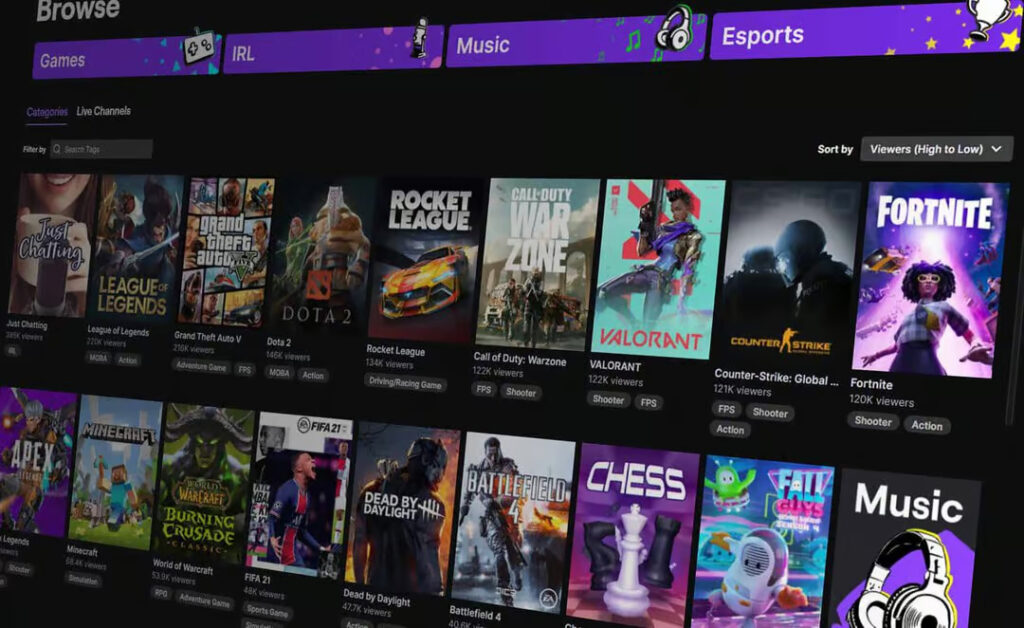
Intellectual property of video game streaming
French law applies a variety of legal regimes to communications, based both on the content in question and the intended broadcast medium: television, radio, internet, private messaging, etc.
Many broadcasts of video game content, particularly esports competitions, result from a production involving a variety of actors generating a work that is alternately collaborative, composite, or even collective, subject to the authorization of all participants, primarily video game studios.
For example, the publisher Riot Games, the creator of the game “League of Legends,” announced in 2017 that there would remain only one French streaming platform dedicated to broadcasting European and American competitions, a platform chosen at the publisher’s discretion. In 2016, BamTech, a subsidiary of Major League Baseball, obtained exclusive streaming rights for $300 million—the latter being free to monetize the video streams broadcast.
During 2017, Disney became the majority shareholder of BAM Tech and entrusted the distribution of content to its own ESPN+ platform, an agreement renewed since that date.
Broadcasters’ own copyright. Depending on the production resources used and the broadcasters’ own contributions, they may assert their own copyright under the conditions set out in the Intellectual Property Code.
Content published and rebroadcast on the internet has the particularity of being, in a quasi-altered or transformed form, making the identification of authors and rights holders particularly complex. Productions involving the development of brands, domain names, names, and pseudonyms of hosts and broadcasters are also protectable, as their registration as a trademark constitutes the first and best guarantee against any use or parasitism by third parties.
Streamers’ copyright. Based on the criteria set out in the Intellectual Property Code requiring an original creation marked by the personality of its author, content created by streamers during a video game competition appears eligible for independent copyright protection.
Like radio reports or sports commentaries, the latter, subject to their originality, offer commentaries enhanced with additional staging elements which may include music, sounds, sound effects, sets, disguises, etc.

In 2016, the legislature proposed an initial legal and legislative framework for esports, providing it with an independent legal regime inspired by pre-existing frameworks.
The complexity and breadth of the sector, however, cannot limit the entirety of the rules likely to apply to the diversity of esports stakeholders to this initial legal text.
As part of the preparation of the Digital Republic Act, the Prime Minister commissioned a parliamentary progress report on esports, which was submitted on March 24, 2016, to Ms. Axelle Lemaire, Secretary of State for Digital Affairs.
In summary, the report identifies two major risks in the development of esports practices, relating to the organization of competitions. It must specify the conditions for holding physical and paid video game competitions, their access to minors, and their audiovisual broadcasting.
Similarly, the status of unprotected esports players needed to be clarified to allow them to benefit from a specific employment contract and a social status similar to that of a professional athlete.
Within the Law for a Digital Republic, the legislator enshrined the first legal provisions specifically to regulate esports. Refusing it the status of sport, which was impossible to implement, the latter focused via two articles 101 and 102 on the two problems deemed the most important: the control of competitions and the protection of players: The term “esports” is abandoned in favor of “video game competitions” characterized by a “confrontation, based on a video game, of at least two players or teams of players for a score or a victory.”
Video game competitions: Event organization
Identified as a form of gambling, the rules applicable to the organization of esports competitions have been incorporated into the Internal Security Code in Articles L321-8 et seq. Approved and declared competitions require the physical presence of players to consider the possibility of winnings or cash prizes, which are also regulated.
“A salaried professional competitive video game player is defined as any person whose paid activity is participation in video game competitions in a relationship of legal subordination to an association or company approved by the Minister for Digital Affairs, as specified by regulation […]
[…] the organizers declare to the administrative authority, under conditions set by decree of the Council of State, the holding of such competitions. This declaration includes the information allowing the administrative authority to assess compliance with the conditions set out in the first two paragraphs.”
The text also specifies that the possibility thus given to organize such competitions does not include “taking bets”, the latter remaining under the regime of prohibition of lotteries.
Esports & video games: Control and sanctions
Legally, the organization of video game competitions appears to be governed by common law for organizations, with the exception of the various mandatory declarations required by the Internal Security Code and other additional provisions. Their conduct may be monitored by the ANJ (National Gaming Authority, formerly ARJEL), which is able to take action against organizers of illegal online esports competitions.
A foreign organizer of online video game competitions will be subject to the obligations of French law and may therefore be subject to formal notices from the ANJ and sanctions provided for in the Internal Security Code if the competition is directed at French players.
It should be noted that the administrative authority responsible for the management and monitoring of video game competitions is not the ANJ but the “Department of the Ministry of the Interior in charge of racing and gaming.” The organization will have control over the mechanisms guaranteeing the payment of winnings in cases where the winnings or prizes exceed the sum of 10,000 euros.
Esports & video games: Status of professional players (employees)
The status of players is regulated in Article 102 of the said law, which states that they are subject to labor law, more specifically to a fixed-term contract, like athletes. The status of professional video game players thus appears very similar to that of professional athletes: it is marked by similarities between careers and the modes of exercising their activities, as recommended in the interim report. However, certain prerogatives of athletes are not extended to video game players, such as access to financial aid and state-funded social security coverage, which some professional athletes are entitled to.
Article 102 of the law of October 7, 2016: “III. – Any contract by which an association or company benefiting from the approval provided for in I of this article secures, for remuneration, the participation of a player referred to in I of this article is a fixed-term employment contract.”
Video Game Competitions: Different Types of Esports Organizers

The organizer of an esports competition can be defined as the individual or legal entity responsible for initiating the event and managing all the stakeholders and services involved in its execution. It is also possible to distinguish between a technical and specialized organizer, mandated by the event creator to carry out the video game competition, particularly its logistical aspects.
As such, the creation and implementation of an esports event currently depends on three entities, all motivated by the competition’s reach and visibility: video game publishers, player associations for a particular video game title, or third parties specialized in organizing this type of event for the purpose of promoting products or services.
Esports & Video Game Competitions: Variety of Applicable Rules
In addition to the specific legal framework governing esports, the holding of a video game competition and the physical participation of players are governed by traditional law applicable to public or private events, such as concerts, exhibitions, trade shows, or sports competitions, the collection and management of personal data, etc.
The multidisciplinary nature of organizing an event involves a variety of reference texts spread across different codes and legislation: the Local Authorities Code concerning the responsibilities of mayors and prefects in relation to public safety, health, and public order; the Construction and Housing Code concerning the opening conditions for establishments open to the public (ERP); the Highway Code for all events using public roads; the Civil Code regarding compliance with safety regulations and liability frameworks; the Criminal Code; the Labor Code; and the Intellectual Property Code.