Presentation
On August 7, 2026, Thibaut Déléaz of the newspaper Le Figaro interviewed attorney Chomiac de Sas regarding Sony’s announcement that it would stop offering physical video games starting in 2028.
The decision by one of the industry’s major publishers to abandon physical media came as a bombshell to gamers, who have been highly critical of the move. A summary of our legal analysis regarding the implications and consequences of this decision is provided below.
Read the full article on the Le Figaro website.
Video Game Purchase vs. Licensing – Rights of Publishers and Players
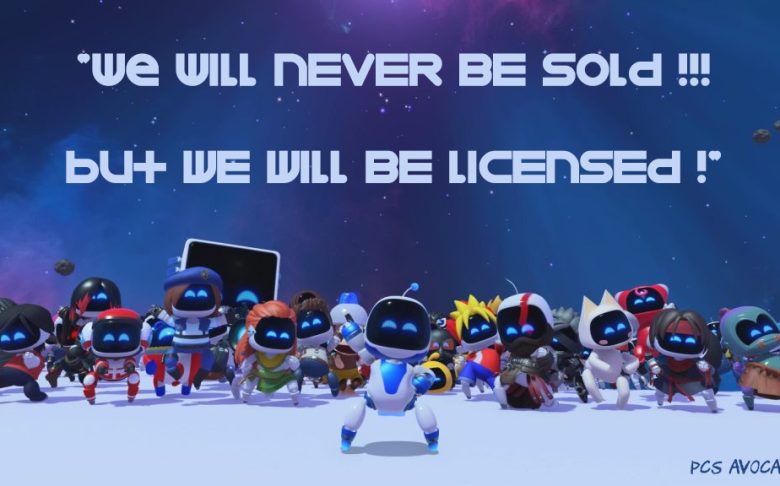
Intellectual property laws and contractual End-User License Agreements (EULAs) ensure that ownership of the games and their content remains firmly with the studios and publishers. Players hold only usage licenses, even though the terminology used on platforms often refers to “purchases”—which are, in reality, purchases of a license rather than the game itself.
Beyond the ownership issues surrounding the initial purchase, establishing general ownership of a video game becomes more complex when players create, generate, or customize their own gaming experience.
Player involvement in game creation—such as through avatar customization, mods (user-created modifications), and the addition of content—can disrupt the publishers’ absolute ownership of the game and its content.
For more information on the legal issues involved:
Séminaire 2024 – A qui appartiennent les jeux vidéo achetés ? Editeurs ou joueurs ?

The shift to digital video games – Legal characterization of transactions involving video games and in-game content
The elimination of physical media is transforming the entire video game economy and the relationship between publishers and players. Indeed, players previously held a residual ownership interest in the games they purchased on physical media, granting them the right to resell them.
Courts have consistently recognized this right, whereas recent rulings have denied any ownership rights regarding content obtained exclusively in digital form.
Explore our previous commentary and publications regarding digital video game ownership:
Guide juridique – Jeu vidéo & Propriété intellectuelle : Quels droits pour les joueurs
Interview Playsmart – Jeux vidéo Sony dématérialisés : À qui appartiendront les jeux ?
Interview 2025 E-Novateurs – Jeu vidéo & supports dématérialisés

Physical, digital, or hybrid formats – Legal issues surrounding video game ownership
This decision reignites the broader debate regarding the strategic choices made by publishers and hardware manufacturers concerning video game offerings and their formats. While mobile games have always been available in digital-only formats—and Steam paved the way on PC—most consoles have historically offered a choice between physical and digital formats.
Nintendo distinguished itself in late 2025 with announcements regarding the Nintendo Switch 2 and the introduction of “Game Key Cards,” a hybrid format for video games.
Find more information in our dedicated publication : 2025.07.18 – Presse : Nintendo Switch 2 : vous pensiez l’avoir achetée…
Video Game Ownership and Player Rights – Lawyer Specializing in Digital Law
The debate surrounding the ownership of digital games is part of a contemporary movement to rebalance the relationship between publishers and studios on the one hand, and players (as consumers) on the other. Numerous legal and judicial initiatives are underway to protect player rights—drawing on the Digital Fairness Act and consumer protection laws—addressing issues such as “dark patterns” and abusive game design, deceptive content offers, and the handling of microtransactions and virtual currencies.
PCS Avocat assists video game and esports professionals with all these issues—including contractual frameworks and the drafting of End User License Agreements (EULAs) for studios and publishers, and ensuring game compliance with various European regulations (GDPR, DFA, NIS2, etc.)—while also representing players and associations in defending their rights against unlawful sanctions and bans.