Presentation
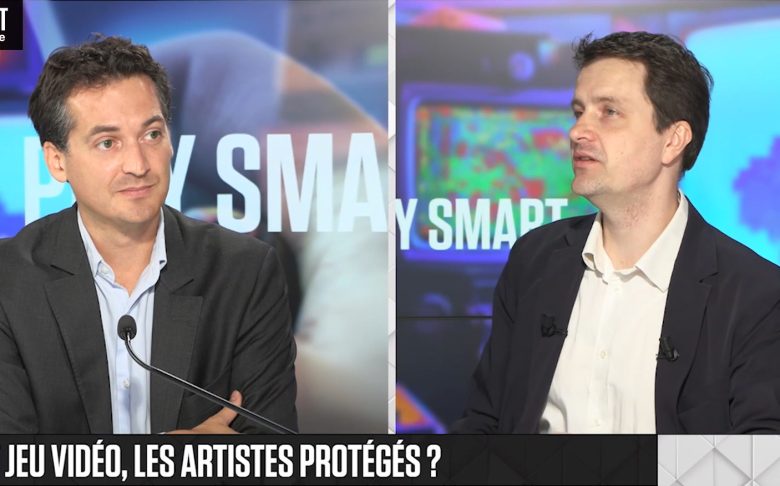
On October 2, 2026, Pierre-Xavier Chomiac de Sas spoke with Nicolas Jucha on the Play Smart program about the threats received by Focus Entertainment employees following complaints filed by the publisher against several gamers.
This provided an opportunity to consider the policies and obligations of publishers facing this type of situation.
Find our previous articles on Bsmart – Video Games
- 2026.07.13 – Play Smart – Jeux vidéo Sony dématérialisés : à qui appartiendront les jeux ?
- 2026.04.07 – Play Smart – Droit, IA & direction artistique des jeux vidéo
- 2026.03.10 – Lex Inside – Cybersécurité & jeux vidéo
- 2025.12.17 – Bsmart – Sexe, drogue, jeu vidéo et droit
- 2025.04 – Play Smart – Jeux vidéo : UFC-Que Choisir vs Steam
Focus Entertainment Case: Video Game Publisher Faces Threats Against Employees
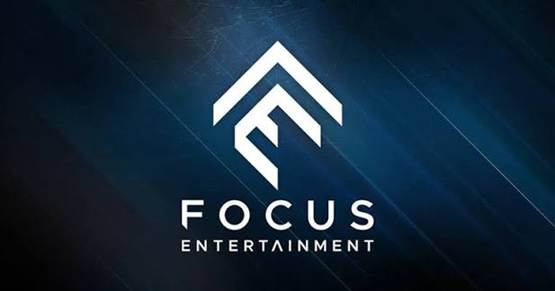
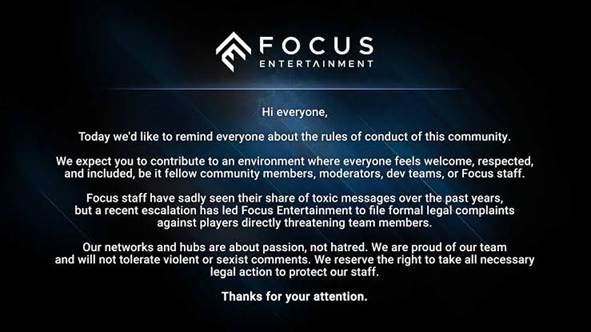
On September 15, 2026, the French publisher made several statements via its social media channels, including its official Discord servers and those dedicated to its video game titles.
Focus indicated that its staff and development teams have been receiving toxic messages for several years. A recent escalation led the studio to file a complaint against players who had directly threatened employees. The publisher announced that it will not tolerate threats, calls for violence, or sexist remarks, and reserves the right to take any legal action necessary to protect its employees.
To date, few details have been released regarding the content of the complaint, as Focus has not specified the origin of this wave of threats, the number of people affected, the exact nature of the offenses, or the identities of the victims.
The video game industry is constantly plagued by this type of content, and publishers’ responses vary. In 2024, the publisher Square Enix adopted an internal charter providing for legal action against those who engage in “abusive” behavior targeting its employees, supplemented by restrictions on their access to certain game titles.
Online Threats: Who Can File a Complaint, the Employee or the Company?
Focus’s announcement raises an intriguing legal question: who is/are the victim(s) of the threats, and therefore, who can take legal action?
The majority of offenses associated with press crimes—threats, online harassment, insults, etc.—target individuals and can only be reported to the courts by the individuals themselves or by the public prosecutor. In fact, the company cannot file a complaint on behalf of its employees or, potentially, employee unions.
However, it is possible for the company itself to be the target of offenses: intrusion into its computer systems, defamation directed against the company, giving it the opportunity to take action in its own name.
Nevertheless, the company can support its employees and make its resources available to them: legal advice, assistance in gathering evidence, and handling of the necessary procedures.
Safety Obligation: What Should Employers Do When Faced with Threats from Gamers?
French labor law is built around the protection of employees for tasks performed on behalf of and for the company that employs them.
In this context, employers are legally bound by a safety obligation towards their employees: physical, mental, and psychological risks. This obligation is not limited to risks internal to the company; it also covers risks from third parties, provided they are related to the employee’s professional activity.
Toxic messages, threats, hate speech, or incitement to suicide following the publication of information or updates related to video game titles fall, a priori, within the scope of protection provided by law.
For a video game publisher, exposure to online communities is one of the risks to be prevented for the optimal safety of its employees.
In practice, this obligation can take several forms:
Assess the risk: integrate online harassment by third parties into the single document for assessing occupational risks.
Protect the identity of exposed teams: use pseudonyms for developers and community managers, and limit the amount of personal information made public.
Preserve evidence: take screenshots, obtain official reports from a bailiff, and implement an internal procedure for reporting messages.
Support employees: provide psychological support and cover legal fees.
Unlike public sector employees, who benefit from legal protection, private sector employees do not have a legal right to have their defense costs covered. This coverage is at the employer’s discretion but can help demonstrate that they have taken the necessary steps to protect their teams.

Sanctions Against Players Abroad: Banning, a Contractual Lever for Video Game Publishers
Threateners are often anonymous and frequently located outside of France. Identifying and prosecuting them requires lengthy and uncertain international cooperation. For a global community like that of a video game, national criminal proceedings cannot be the sole response to the need for effectiveness and prevention.
Alongside legal action, the video game publisher possesses a considerable advantage: legal and technical control of the game and therefore of player accounts. Access to the game is based on a contract, the EULA or terms of service, sometimes accompanied by a code of conduct. Numerous clauses provide for sanctions, including the termination of game licenses, in the event of infringements or violations committed against the studio or its employees.
A player who threatens members of a studio is clearly violating the rules and can be subject to contractual sanctions, up to and including account suspension or ban, regardless of their country of residence.
Legally, to ensure its full validity, it requires clear clauses outlining prohibited behavior, a scale of proportionate sanctions, and wording that complies with consumer law, otherwise the clause risks being deemed unfair.
When the perpetrator is prosecuted in France, the criminal court also has a recent tool at its disposal: the digital ban, introduced by the SREN law, which allows for the suspension of accounts used to commit the offense.

Video Game Studios & Player Communities – Digital Law Specialist
Managing online communities has become a major legal challenge for video game studios and publishers. This challenge is addressed both proactively, in drafting EULAs and codes of conduct, and reactively, in dealing with threats and harassment both on social media and in-game communication platforms.
PCS Avocat assists studios, publishers, platforms, and esports organizations with all their legal issues related to these topics: contracts, intellectual property, compliance, and online community management.
To learn more: Guide – Ten Common Legal Mistakes Made by Video Game Studios
Sources