Presentation
From September 15 to 17, 2026, PCS Avocat had the pleasure of participating in the international symposium on esports research, held as part of ERNC 2026.
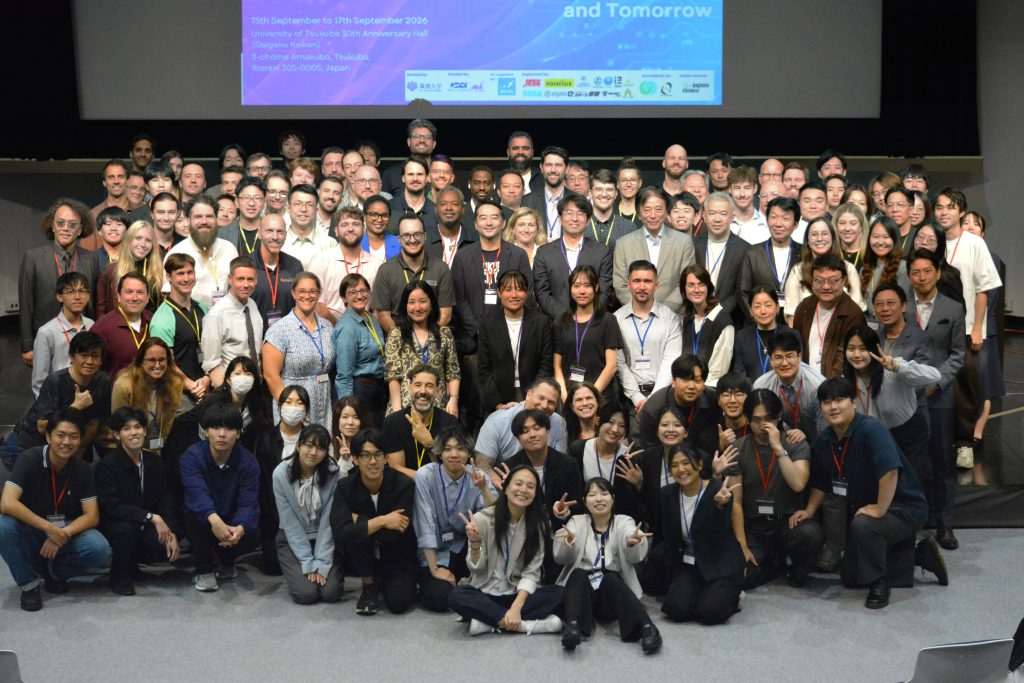
The three-day symposium took place at the University of Tsukuba under the overarching theme: “Bridging Gaming Heritage and Esports Futures: Transformations, Traditions, and Tomorrow.” Hosted by Dr. Tsubasa Shinohara, the event featured around sixty research papers and analyses on esports, presented by nearly 150 authors and co-authors across various formats, including panels, keynote addresses, and speeches.
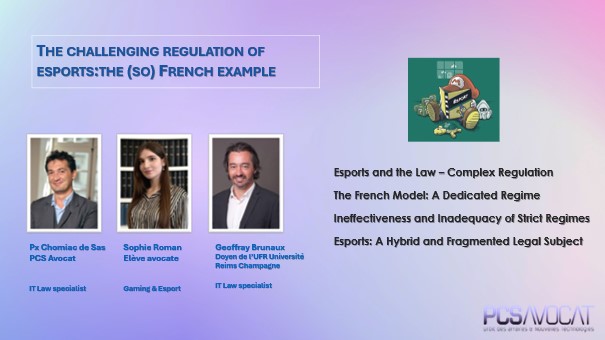
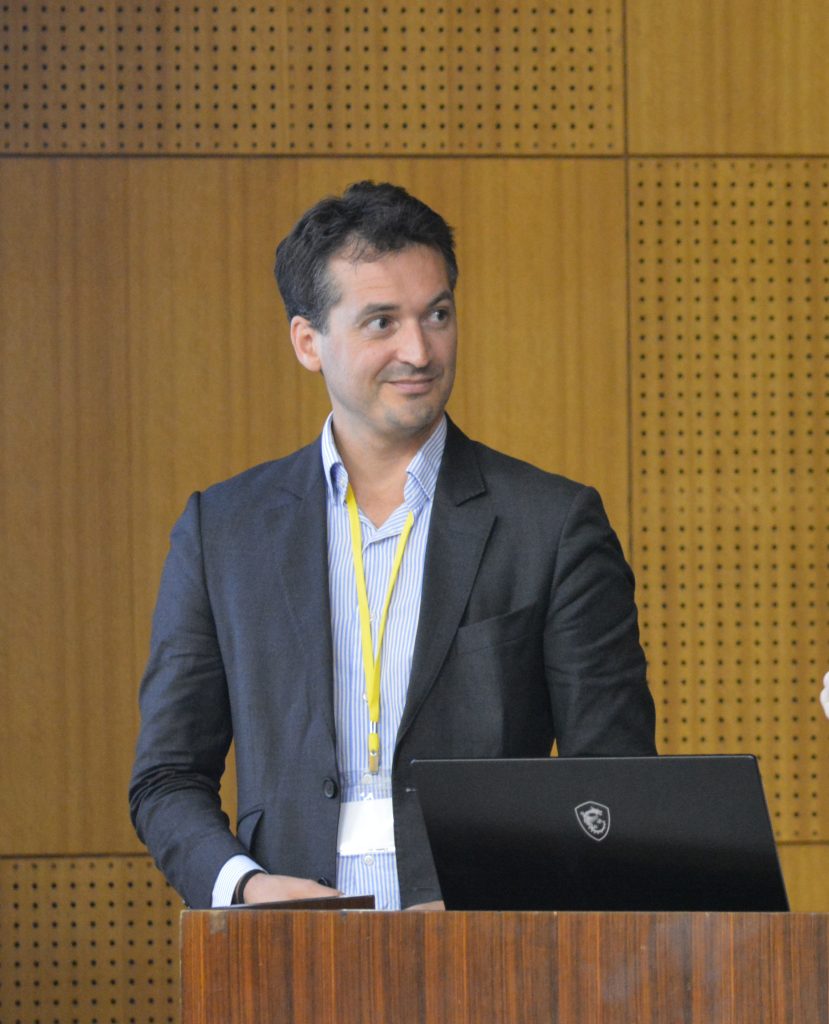
Alongside Sophie Roman—and with the assistance of Geoffray Brunaux—Pierre-Xavier Chomiac de Sas presented a legal analysis of the French and international esports landscape, aiming to identify its strengths and weaknesses. Beyond the symposium itself, the event offered a wonderful opportunity to meet and exchange ideas with academics and industry professionals.
Esports Research Network Conference – Expertise Focused on Video Game Competitions
An international network dedicated to research in the esports sector, the Esports Research Network offers an interdisciplinary approach to issues surrounding esports. It was founded to meet the growing need to pool research efforts in the field, connecting researchers, practitioners, and industry professionals.
Driven by values such as collaboration, education, and innovation, the network’s annual conferences bring together hundreds of researchers from around the globe, fostering interdisciplinary dialogue and advancing the field. Past editions have addressed video game competitions through specific themes:
2021: “Esports Health & Well-being Management”
2022: “Sustainable Esports in the Digital Society”
2024: “Where Worlds Collide”
2025: “Future Realities: Esports as a Global Lab”
ERNC 2026 – Esports & Professional Issues
True to its academic philosophy, the 2026 ERN program explored its official theme—Japanese video game heritage and the future of esports—through a cross-disciplinary and international lens. Topics addressed via various formats included:
Health, physiology, and psychology in esports: covering physiological indicators (heart rate synchronization, heart rate variability, pupil dilation), players’ physical complaints, physical activity, screen time, and menstrual cycles. It also encompassed mental health, addressing psychological support for professionals, sports psychology interventions, and social connections based on game genres.
Education and university pathways: featuring a strong presence of university teams from diverse backgrounds showcasing their programs, student-to-professional transitions, attitudes toward doping, and the use of generative AI among student-athletes.
Economics, industry, and national ecosystems: presentations on value chains and regional ecosystems (Thailand, Argentina, Brazil, Canada), esports divisions within French sports clubs, and the impact of mega-events and esports Olympics.
Media, fandom, and communities: streaming engagement, media framing of the State’s role, transnational fandom, and Discord communities.
Inclusion, gender, and culture: equality and “tokenism,” online masculinities, esports as a tool for inclusion, and senior esports (the GAKU program).
Performance, formats, and methods: several academic sessions highlighted advancements in the health and performance of esports teams and athletes—with significant representation from Europe, North America, and East Asia—covering topics such as ocular biofeedback, mouse movement analysis, tournament formats, and the use of tournaments as research tools.
Law and esports. Legal matters and the regulation of practices have also played a significant role, with discussions covering e-doping, cheating in video game competitions, the classification of esports events, competition integrity, a theoretical approach to esports governance, the development of an ethical charter on AI, and the limitations of current national regulations.
The challenging regulation of esports: the (so) French example
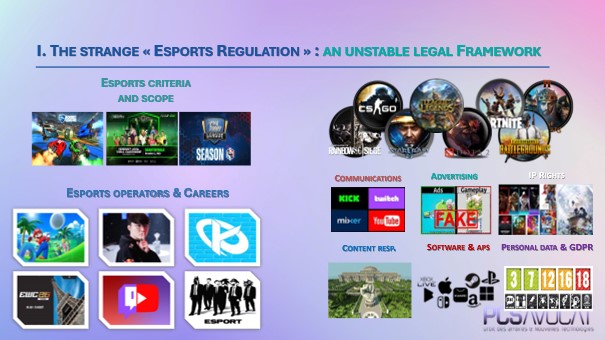
Regulating esports poses a challenge for all nations: the sector sits at the intersection of intellectual property, labor law, and sports law, yet lacks a stable international model. In 2016, France opted for a bespoke legal regime, creating a specific employment contract for professional players and a dedicated framework for organizing competitions.
Our study draws on the French example to illustrate the broader difficulties involved in the legal regulation of esports. It examines the extent to which the regulatory choices made by public authorities have failed to structure the sector, as well as the consequences of this failure for industry professionals.
The research is based on the 2016 law and its implementing decrees, subsequent legislative adjustments, and Bill No. 2106 “for responsible and attractive esports,” introduced in November 2025. The lack of published data regarding these measures, combined with academic commentary highlighting their weaknesses and the system’s ineffectiveness among stakeholders, reveals the current regime’s failure to function as intended.
Esports Law – Contemporary Legal Issues and Challenges
The French legislative framework for esports relies on marginal adjustments to the minimalist 2016 regime—whether through references to implementing decrees or via reforms—that have rarely, if ever, been acted upon by industry professionals.
This ineffective regime highlights the unsuitability of a strict, centralized system for addressing a sector as dynamic as esports.
This inefficiency is further illustrated by the scale of contemporary issues within the sector that the framework has never addressed:
The complex relationship between traditional sports and esports[1] undermines the strict separation envisioned by lawmakers in 2016;
The practical protection of players[2]—particularly regarding their physical and mental health, the risks to which are now well-documented;
Persistent discrimination affecting the female competitive scene is entirely absent from the legal framework, left instead to private and non-profit initiatives[3];
The status of esports agents—finally addressed in the proposed legislation—repeats the same structural flaw by deferring the definition of their status to a future decree[4].
By focusing on employment contracts, agent status, and the opening up of online competitions, the upcoming legislation once again overlooks a significant portion of identified contemporary issues—further proof of a partial and inadequate response to the shortcomings of the original regime.
Video Game Competitions: Between Regulation and Governance
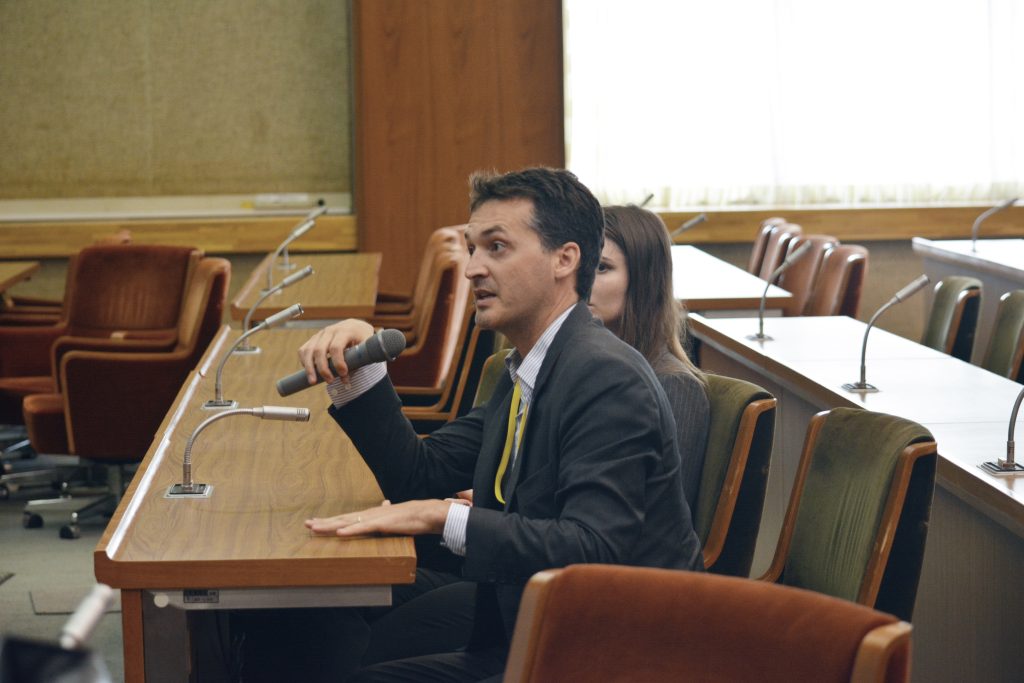
The situation in France illustrates the risks of regulation that is out of touch with industry practices. These dynamics provide a useful comparative framework for debates on esports regulation in Asian systems, where different institutional choices have been made.
Esports represents a hybrid legal subject, and its regulation remains fragmented. Far from being a settled model, the French example highlights the universal challenge of regulating esports and serves as a cautionary tale for stakeholders who view a strict, dedicated regulatory regime as a silver bullet.
Regulation of Esports Contracts – A Comparative Analysis of the French and South Korean Models
As the second topic addressed by the firm, the comparative analysis of esports law across different countries offers an opportunity to identify respective strengths and weaknesses. In this regard, comparing the French and South Korean systems has yielded particularly valuable insights.
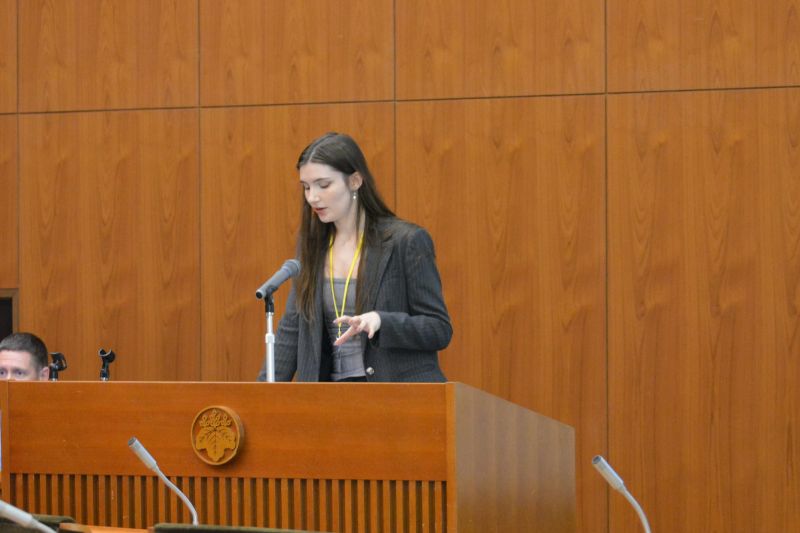
Ms. Sophie Roman presented the findings of this work to South Korean esports officials and representatives from various national esports federations.
In summary, the French system stands out due to the strict, codified legal framework it offers the sector, providing a level of legal certainty and predictability that Korean law—which is more individualistic and shaped primarily by case law and “soft law” instruments (such as standard contracts and Competition Commission rulings)—does not always guarantee.
However, the pragmatic nature of the Korean system—rooted in a form of co-regulation that incorporates the flexibility and adaptability of private or administrative measures (standard contracts, targeted actions by the Competition Commission, and criminal penalties for fraud)—places French law at a disadvantage; indeed, the latter still appears ill-suited to the sector’s actual practices.
Esports and Video Game Competitions – Digital Law Specialist
Esports has evolved into a structured industry situated at the intersection of digital law, intellectual property law, labor law, and sports law. Clubs, organizers, publishers, players, brands, and platforms operate within a legal framework that is still taking shape—one where a poorly negotiated clause can jeopardize an entire business model.
The growing number of events and the sheer scale of major tournaments in recent years—such as KCX, EWC, and Worlds—demonstrate the sector’s economic maturity and its ability to attract investors, brands, and institutions, while also highlighting the increasingly complex legal issues involved. Only a rigorous legal approach to contracts—covering player agreements, sponsorships, intellectual property licenses, broadcasting rights, and tournament organization and rules—can secure investments, prevent disputes, protect all stakeholders, and ensure the sector’s long-term stability and sustainability.
With over a decade of experience in the esports sector and its legal framework, PCS Avocat assists esports professionals with their specific needs:
Video game publishers and studios looking to develop or regulate the esports use of their games and content;
Esports clubs and teams seeking to structure professional contracts with players, sponsors, and endemic or non-endemic partners;
Esports players wishing to understand their rights and obligations and to solidify the commercial use of their image and skills in competitions;
Organizers of amateur or professional events, addressing all issues associated with staging esports events;
Projects.